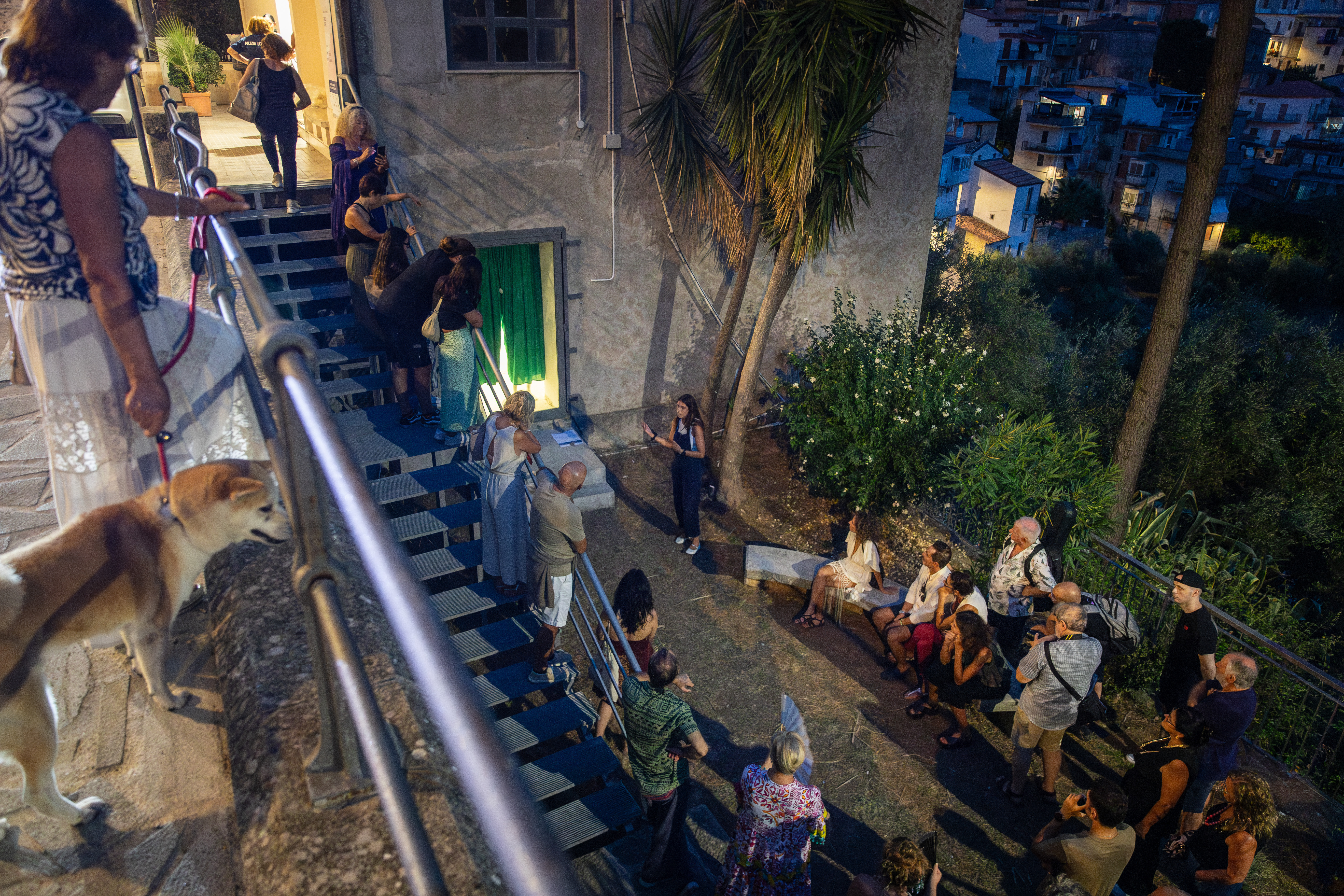
SITU Festival, a nomadic artistic residency project, took place in September 2025 in Ficarra (ME), bringing together 18 Italian and international artists for an intensive program of workshops, talks, and a final group exhibition.
The initiative was warmly received by the public and succeeded in activating a productive dialogue between contemporary artistic practices and the local community.
Projects and festivals of this kind, rooted in collaboration and experimentation, are always welcomed by the artistic community, and we hope to see SITU return as an annual tradition.
Below, we present an in-depth article (prepared by the team behind who conceptualized and initiated the project) exploring the themes, processes, and outcomes of this edition of SITU Festival.
Text by Viola Lo Monaco and Francesca De Chiara
In a time when places seem to dissolve into digital maps and non-places, returning to situate oneself becomes both a political and poetic stance. As Miwon Kwon writes, “To be ‘specific’ to a site is to be engaged in a dynamic definition of site, one constituted through social, political and institutional processes.”¹
Kwon’s reflections on localized artistic practices open up a fertile space for understanding the wandering trajectory of SITU Festival, a project that has chosen to inhabit the margins—not as voids to be filled, but as possible centers from which to rethink the making of art and community.
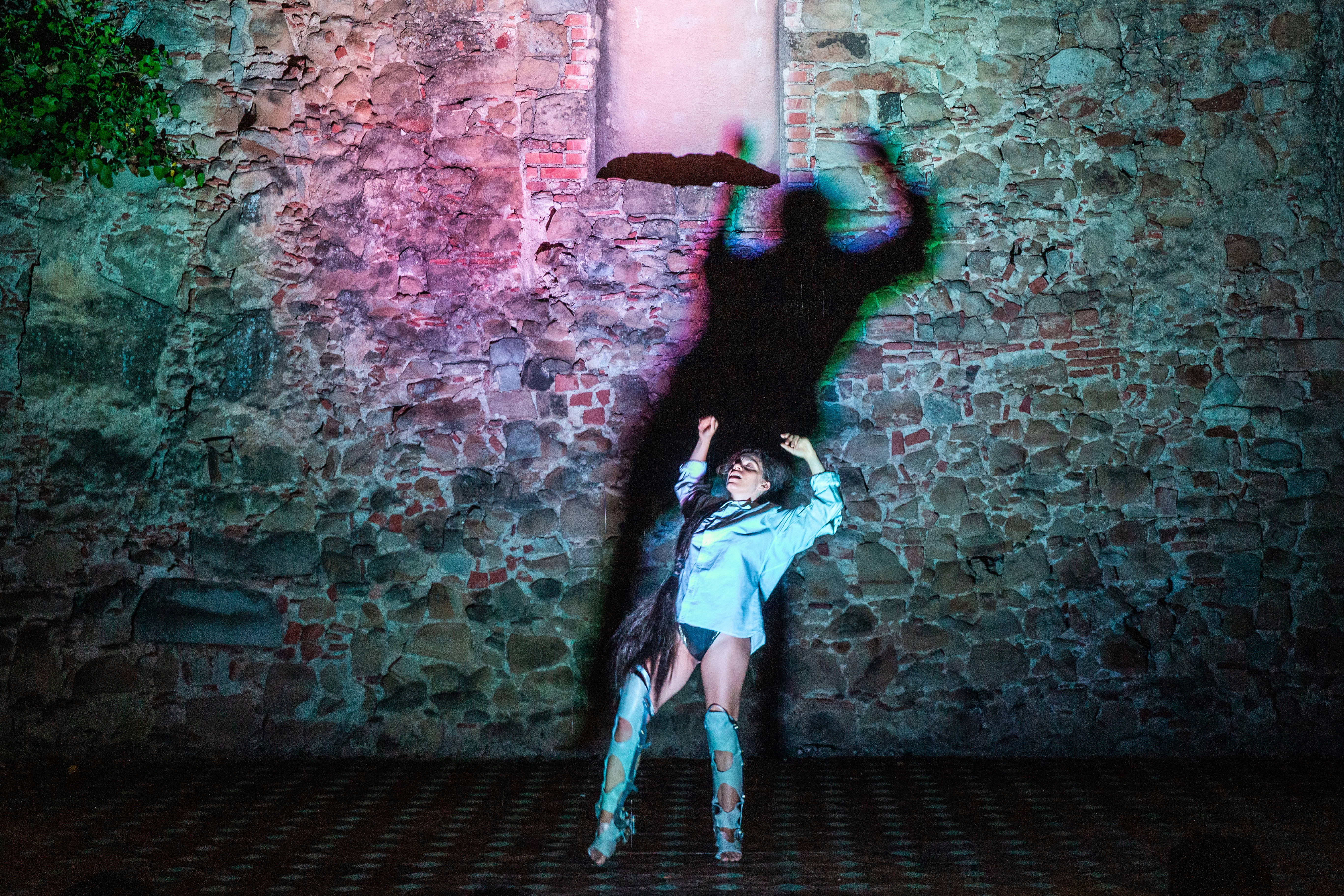
Would you believe it Performance by Ariadne
In One Place After Another, Kwon deconstructs the notion of site-specificity, freeing it from the romantic idea of place as mere “background” or passive context. The site is instead a field of forces, a relational construct where the artwork is both situated and situating: it negotiates powers, temporalities, desires, and histories. To operate in situ, from this perspective, means to listen to the material and human ecologies of a territory, to recognize its tensions, and to act artistically as a gesture of care, cohabitation, and restitution.
With this attitude, SITU Festival—founded in 2020 by Nicola Tineo and promoted by the association Zona Blu A.P.S., together with Viola Lo Monaco and Francesca De Chiara—has been moving across Sicilian territories for six editions. A nomadic festival that, instead of rooting itself in a single place, chooses to weave a network among the island’s inland villages. Like a spider spinning its web, SITU Festival creates invisible threads between different communities—connections waiting to become enduring structures. It is a poetic yet political choice: remaining in motion allows the drawing of new cultural maps, crossing landscapes often excluded from the mainstream narrative of the contemporary.
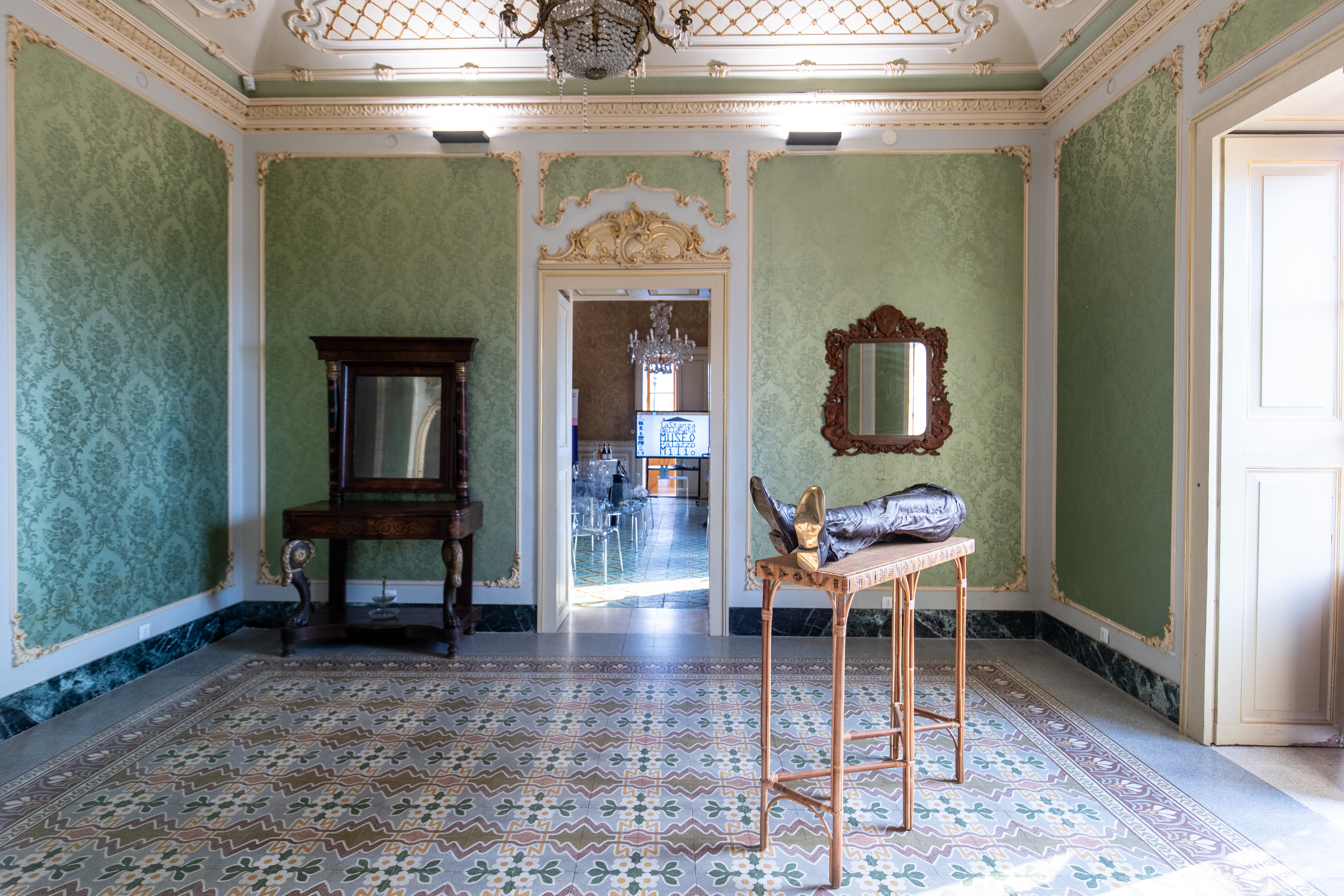
Edition after edition, SITU responds to the invitations of the communities that host it: Militello Val di Catania, Acate, Chiaramonte Gulfi, Modica, and now Ficarra.
In the heart of the Nebrodi mountains, between Palermo and Catania, the village of Ficarra hosted the festival’s sixth edition (August 18–31, 2025), transforming itself into a laboratory for experimentation and reflection on the relationship between art, place, and community. Here, the stone carved by local stonemasons, the traces of the Lancia and Piccolo di Calanovella families, the Benedictine Abbey, the Convent of the Hundred Arches, the Fortress Prison, and Palazzo Milio became not just landscape or backdrop, but living matter through which the festival reinterpreted the practice of site-specificity as a tool for territorial reactivation.
Itinerancy: Problem or Potential?
Among the themes that continue to emerge, edition after edition, in SITU Festival’s public program, itinerancy stands out as one of its most debated and defining issues. The decision not to take root could be seen as a limitation, a potential fragility of the project; yet this choice also opens up a broader and timely reflection on how cultural systems are redefined today in peripheral and marginal territories—far from the urban centers traditionally recognized as sites of production and attraction.
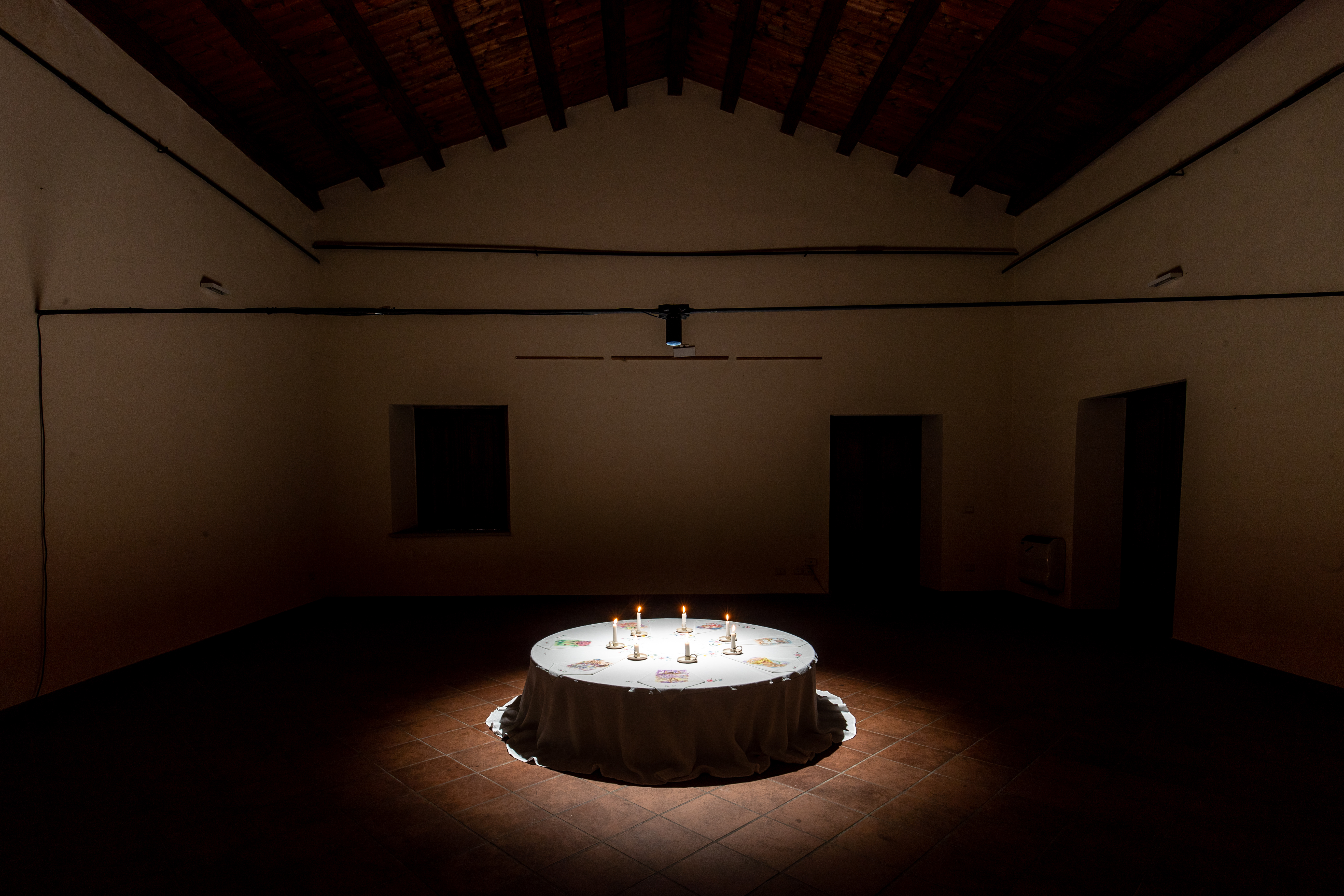
Silvia Muscolino – Goodbye
One might then ask: is it truly necessary to settle in a place to generate transformation? Or could it be, on the contrary, that movement itself, if carried out with attentiveness, listening, and responsibility, can produce a lasting and meaningful impact?
The itinerancy of SITU Festival is configured not merely as spatial movement, but as a process of territorial weaving—a network connecting distant realities marked by depopulation, infrastructural fragility, and cultural silence, yet also by a heritage of memories and latent potential.
Often criticized as a lack of rootedness, this nomadic condition actually raises a crucial question: does the capacity to generate transformation and community belong only to those who settle, or can it also arise from continuous movement—capable of making different spaces and communities dialogue, triggering new forms of proximity and relation?
If we think of SITU’s practice as rhizomatic—built from below and rooted underground—its center no longer lies in static rootedness but in the ability to generate subterranean branches, to produce new nodes of encounter, and to activate developmental processes in continuous motion. In this sense, the metaphor of the spider web effectively conveys the project’s essence: it is not necessary to occupy a single point to leave traces, but to weave ties, threads, and relations that make each village a node and each encounter a living, persistent memory.
Rossana La Verde – I Tried to Give Weight to the Pain You Gave Me
As the founder explains, itinerancy also arises from the direct response of communities—from spontaneous invitations, from young people wishing to reinterpret their home, from villages eager to become co-protagonists of a shared cultural process. SITU thus becomes a practice of social and territorial dialogue, involving artisans, local administrations, agricultural producers, and residents in a coexistence that demands listening, care, and mutual responsibility.
SITU’s rootedness, therefore, is not absent but diffused and decentralized: a form of presence renewed each time in different contexts—north to south, east to west across Sicily—maintaining a strong connection with every territory it traverses. The strength of the project lies precisely in this capacity to combine decentralization and contextualization, building a cultural model that is mobile yet deeply situated.
Speaking from the Margins: The Strength of an Alternative Center
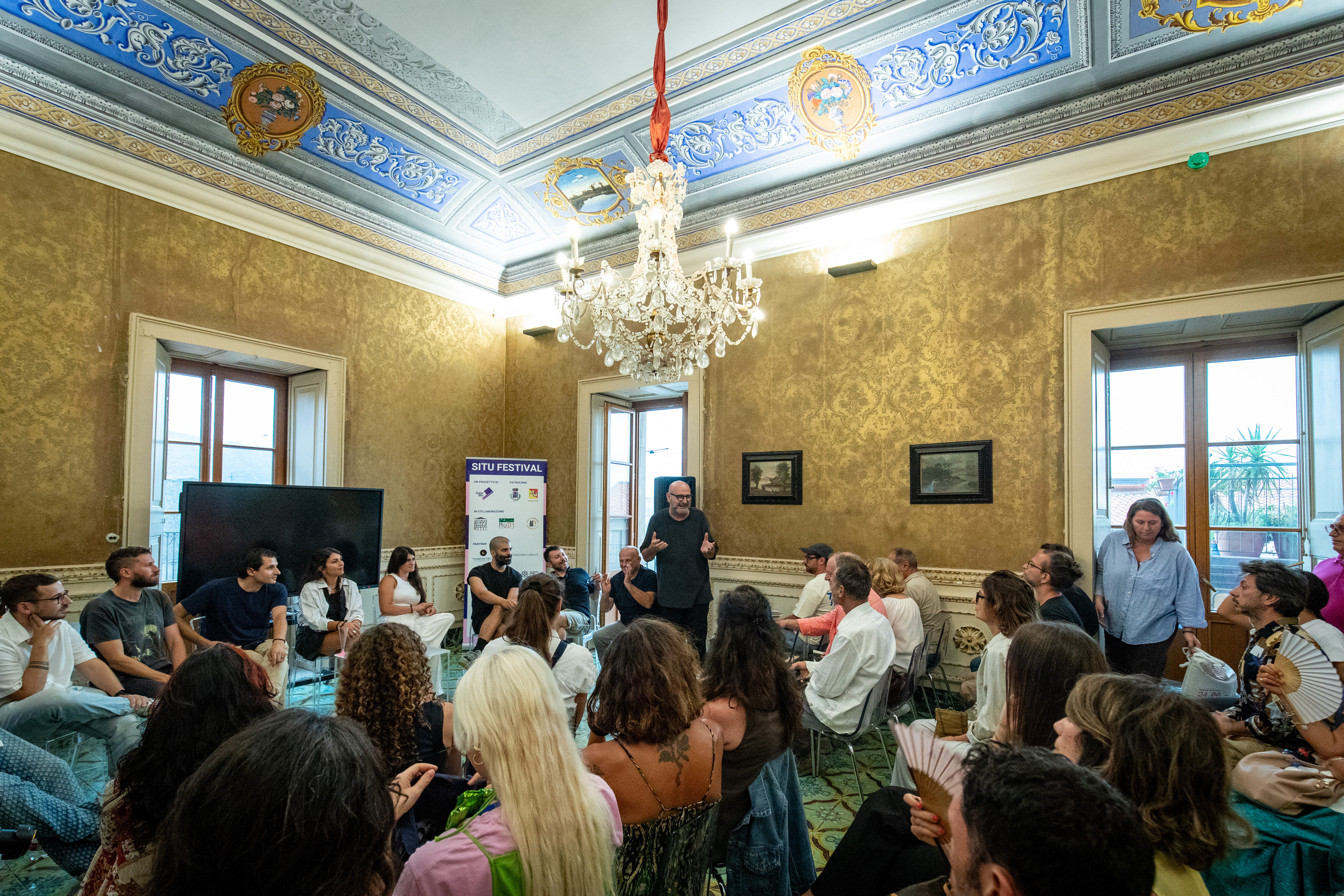
The festival’s talks, gathered under the title “Starting Again from the Margins,” formed the theoretical core of the event. But what does “margin” mean today? The term was not understood as a declaration of marginality, but as an open question—a lens through which to reread the contemporary art system and its hierarchies. Margin for whom? Is centrality defined by the market, or rather by the ability to generate new networks, new forms of knowledge, new ecologies of making?
This question became the starting point for a broad and participatory conversation throughout the public program, exploring the notion of margin not only in a geographical sense but also as a critical and epistemological category.
In a territory like Sicily—marked by strong asymmetries between center and periphery, coastal cities and inland villages, institutional networks and autonomous practices—the question “margin for whom?” opened up a fertile field of reflection. The margin emerged not as a condition of lack, but as a space of possibility: a site of misalignment with the mainstream art system, and at the same time, of freedom, experimentation, and self-definition.
Conversations with guests—including Fondazione Oelle, Fondazione Brodbeck, the duo Aterraterra, artist Diego Miguel Mirabella, Studio La Siringe, curator Mario Bronzino, Daniela Bigi, Fondazione Studio Rizoma, Gianluca Collica, and Mauro Cappotto—highlighted the need to rethink models of curatorship, sustainability, and transmission capable of rooting themselves in both time and territory: sensitive commissions, distributed collecting, and non-extractive alliances among artists, institutions, and citizens.
It was not about finding immediate answers, but about formulating new questions: How can we build a cultural ecology that does not exhaust itself in the event? How can we sustain an artistic practice that does not occupy but inhabits places? And above all, how can these processes continue without falling into the rhetoric of “regeneration,” truly challenging the hierarchies of value that shape art, territory, and community?
In this sense, Ficarra, site of the most recent edition, functioned not only as a case study but as a possible archetype of a polycentric and relational Sicily, where margins cease to be peripheries to fill and instead become critical, generative nodes from which to rethink the cultural system as a whole.
Ficarra: A Permanent Laboratory
Within SITU’s wandering journey, the stop in Ficarra was not just another point along the route but an encounter with a context already rich in layered artistic and cultural experiences. Since the 1980s, the village has hosted central figures of contemporary art such as Massimo Bartolini, Urs Lüthi, Lois Weinberger, Mark Kremer, and Atlas Projectos, gradually building a shared memory of hospitality and experimentation.
Camila Curiel – Maybe There’s God, Maybe It’s Me
In this context, collaboration with La Stanza della Seta—an artistic residency project active since the 1980s and recently reactivated by Mauro Cappotto—represented a natural convergence. While SITU was conceived as a nomadic festival activating marginalized territories through site-specific practices, La Stanza della Seta stands as one of Sicily’s earliest examples of artistic hospitality rooted in deep engagement with context.
Both initiatives share a non-decorative vision of contemporary art: not as a tool of territorial promotion, but as a form of knowledge, intervention, and transformation.
The artists in residence interpreted this vision through works that dialogued with the materials, stories, and people of the village:
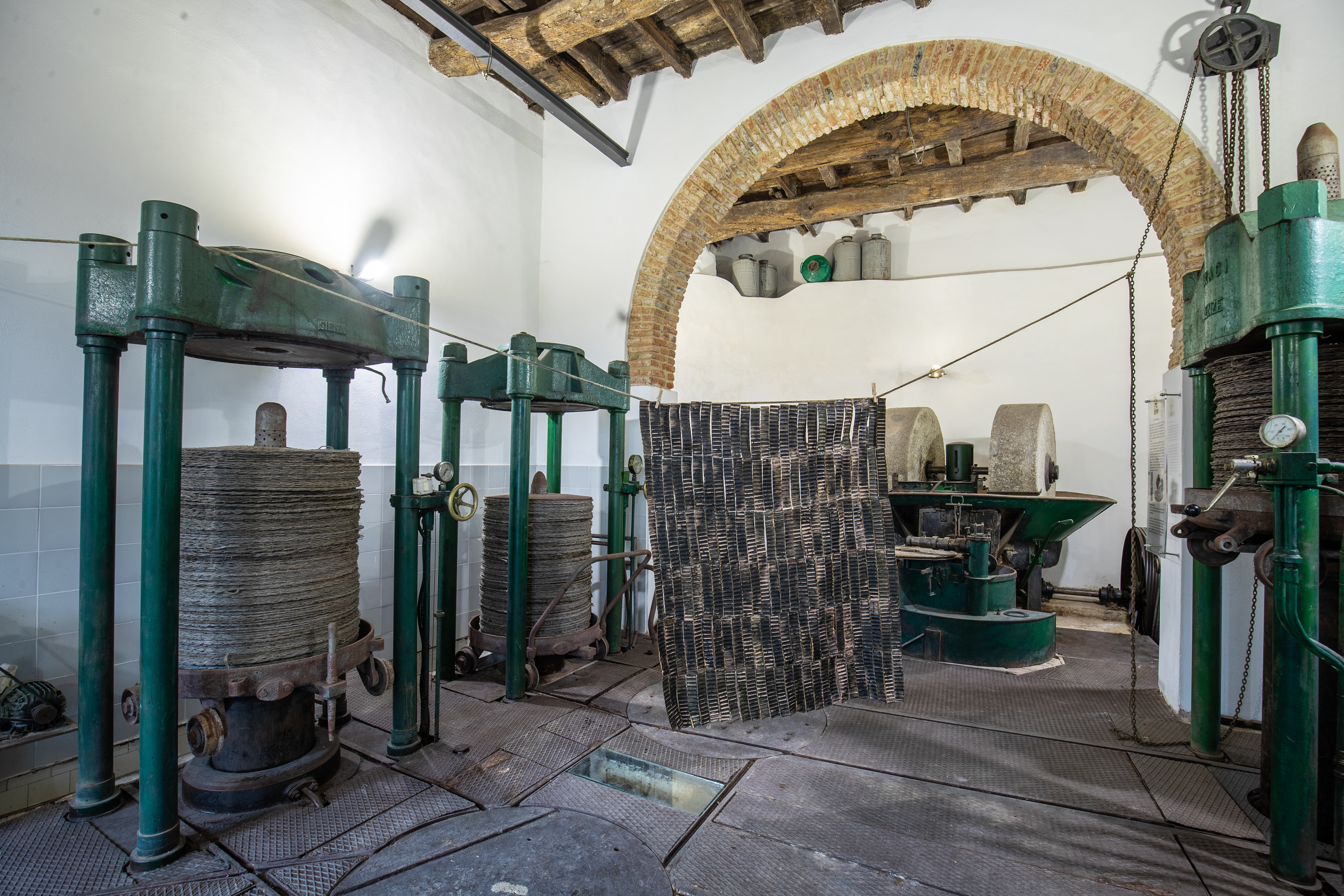
- Margot Kalach, Olio Lampante — transformed oil barrels into pinhole cameras, offering the Oil Museum a sensory and autobiographical portrait of the “City of Oil.”
- Rosa Frazzica and Gregorio Vignola, Stone Knows — a process-sculpture intertwining stone, iron, and water in the courtyard of Palazzo Busacca, a secular altar to manual labor and everyday spirituality.
- Alessia Talò, Soft Points and Stone Roads — reimagined crochet as a participatory gesture, turning the former fish market’s windows into a relational archive.
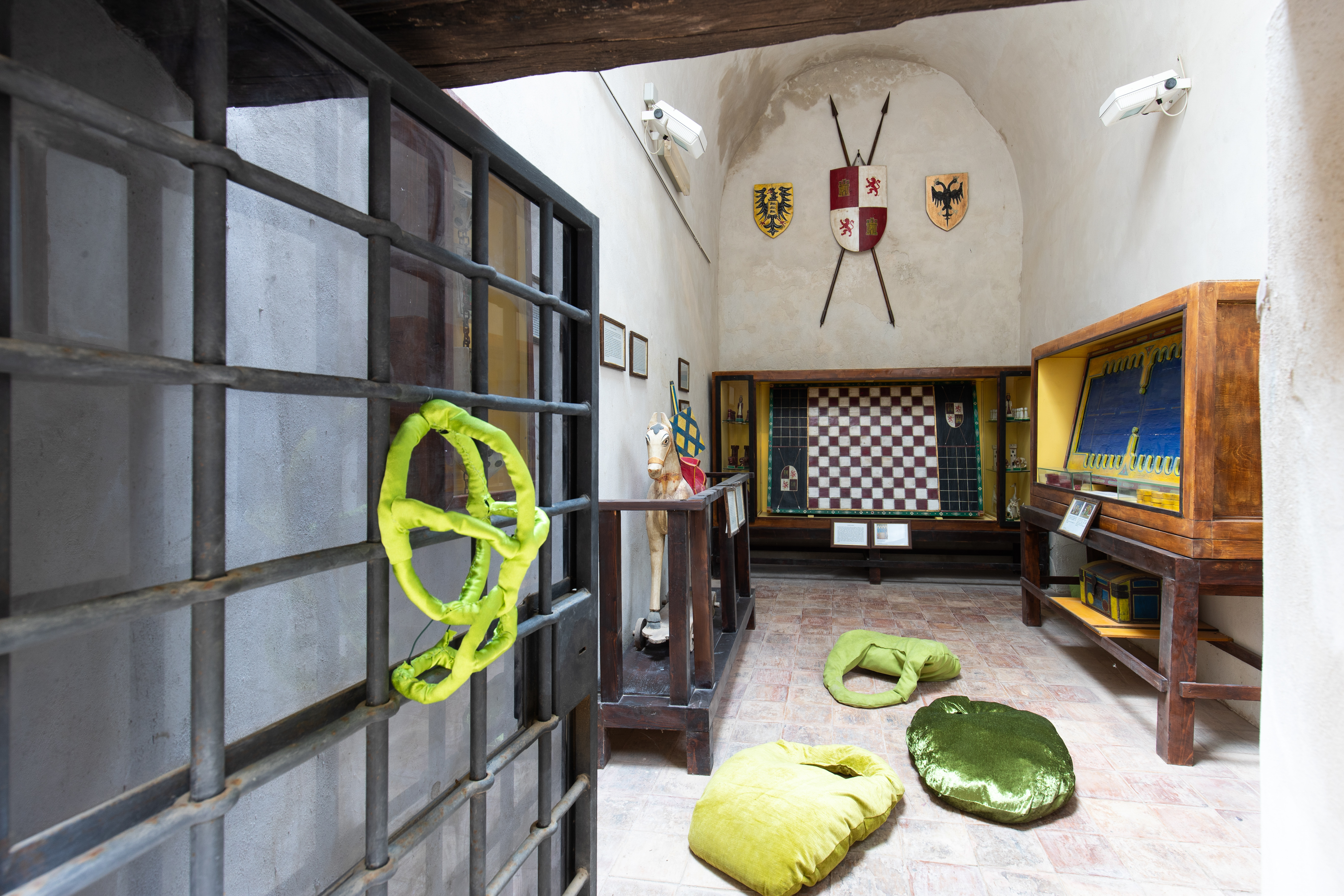
- Rossana La Verde, I Tried to Give Weight to the Pain You Gave Me — a performance within the Fortress Prison, burdening her body with olive pits as symbols of weight and lineage.
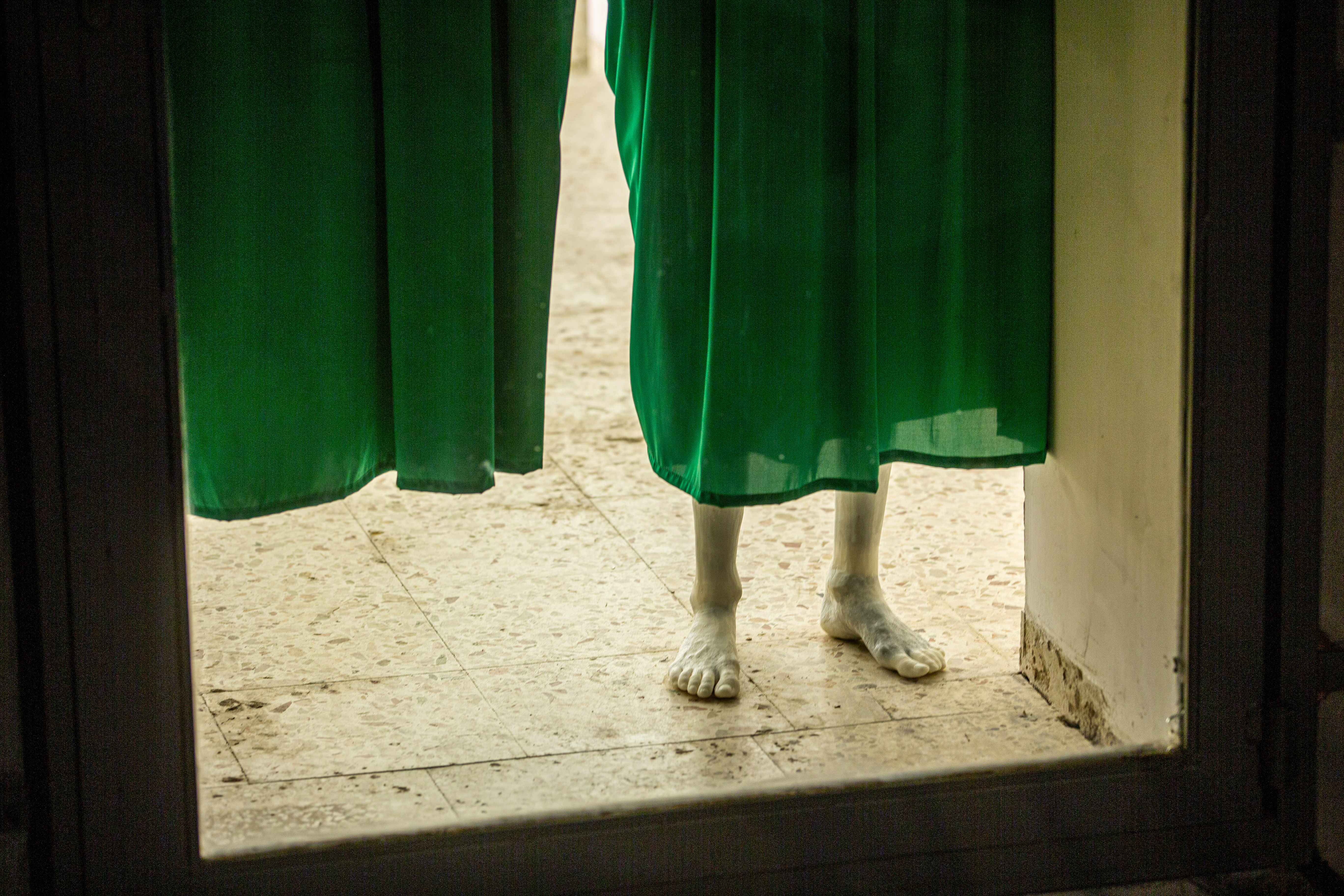
- Camila Curiel, Maybe There’s God, Maybe It’s Me — a perceptual path between reality and illusion using a green-screen veil as a threshold between public space and imagination.
- Silvia Muscolino, Goodbye — evoked the presence of female figures in an impossible gathering, weaving domestic memory and collective ritual.
- Nicola Tineo, 98062 — an homage to Lucio Piccolo, using feathers and chains to explore the tension between lightness and grounding, poetry and imprisonment.
Margot Kalach – Olio Lampante
These experiences reveal key constants: the use of local and humble materials as vectors of memory, the relationship with inhabitants as a condition of authenticity, and the preference for hybrid formats (installation, performance, documentation) that resist the commercial logic of the art object. All of this makes SITU less a showcase festival and more a project of cultural infrastructure.
Here, the works do not decorate Ficarra—they inhabit it, question it, and listen to it. Site-specificity thus becomes a practice of knowledge and restitution, where the artist is both guest and interpreter, and the territory becomes medium. Not a technique, but an ethics: a way of inhabiting places, listening to their stories, and reactivating their memory.
In this light, the experience of Contemporary Divan, also in Ficarra and promoted by Cappotto, aligns closely: a platform for dialogue among artists, curators, scholars, and residents that, like SITU, places the material and immaterial landscape of the village at the center as a source of meaning.
The convergence between SITU’s nomadism and La Stanza della Seta’s local genealogy has given rise to a shared laboratory where experiences, visions, and networks overlap. On one hand, SITU found in Ficarra a place not to “activate” but already alive, carrying kindred practices; on the other, its presence revitalized and amplified the relational and polycentric vocation of contemporary art in the village.
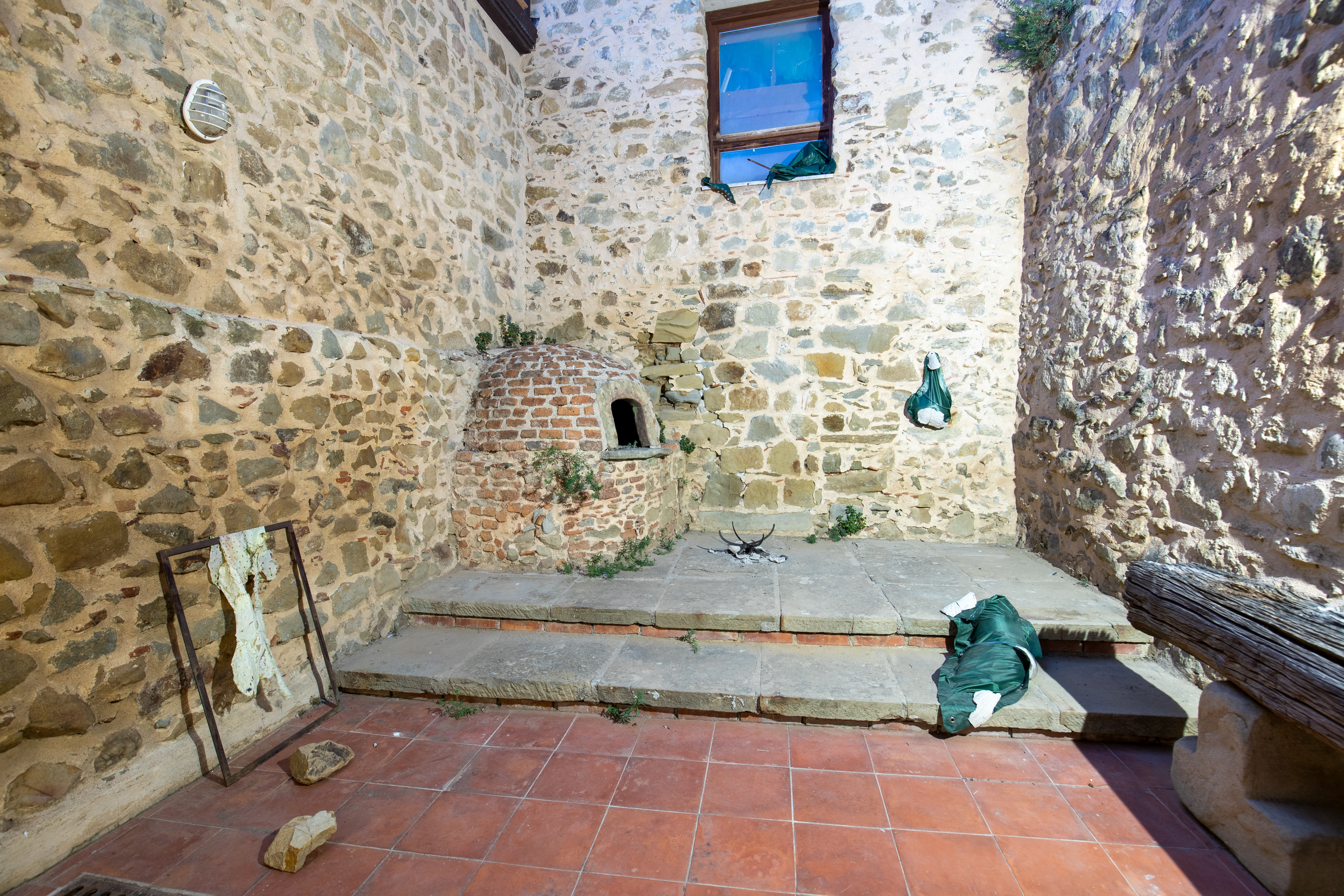
Rosa Frazzica and Gregorio Vignola, Stone Knows
SITU worked among the streets, courtyards, shop windows, and museum spaces of Ficarra’s Museo Diffuso, collaborating with local entities such as Lenzo Winery and the broader social and productive fabric of the town. The festival did not invent places; it reactivated them, giving new voice to existing spaces and transforming the everyday into a stage—the margin into an alternative center of meaning.
In this way, Ficarra becomes the point where SITU’s itinerant path roots itself without becoming fixed—an example of inter-territorial cultural ecology capable of connecting past and present, local and global, art and life.
Reactivation, Not Regeneration
In Ficarra, the process was not one of regeneration, but of reactivation—of ties between materials and memories, between artists and community, between public and private.
In a village that speaks through its stones and its memories, SITU has not planted flags but threads. Each work, each exchanged word, each artistic gesture has been a stitch between past and present, between art and life, between what is invisible and what may yet happen.
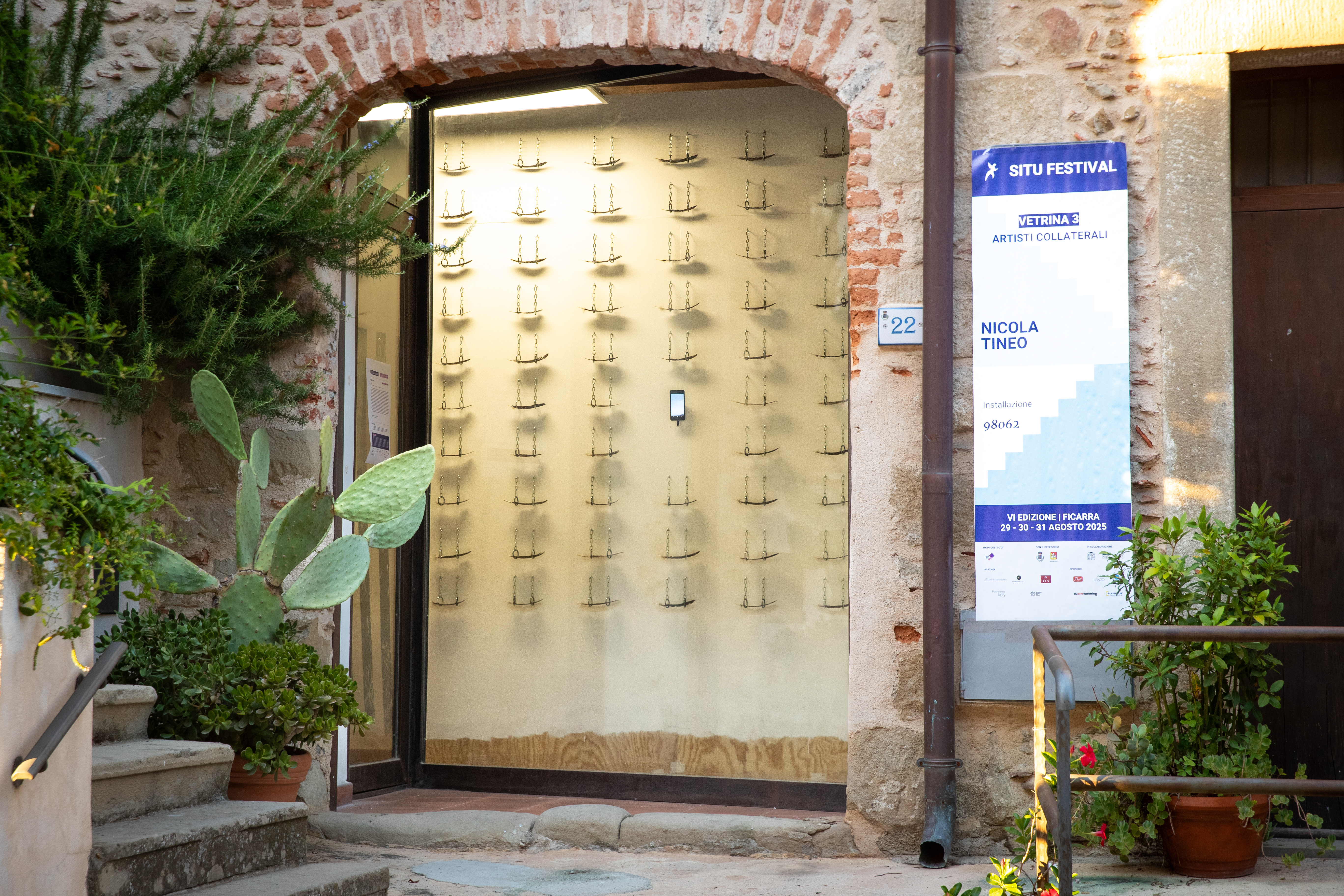
Nicola Tineo, 98062
The challenge emerging from Ficarra is to think of site-specific not as exception, but as method: a way of producing culture from the places, stories, and people who inhabit them. In this sense, the margin is not the opposite of the center—it is the space where the center can be reimagined, where culture is not consumed but constructed, through time and relation.
Here, the festival—understood as the closing moment of a residency process—does not signify an ending, but opens a threshold, an expanded time in which dialogue continues, works endure, and communities reclaim their own narratives.
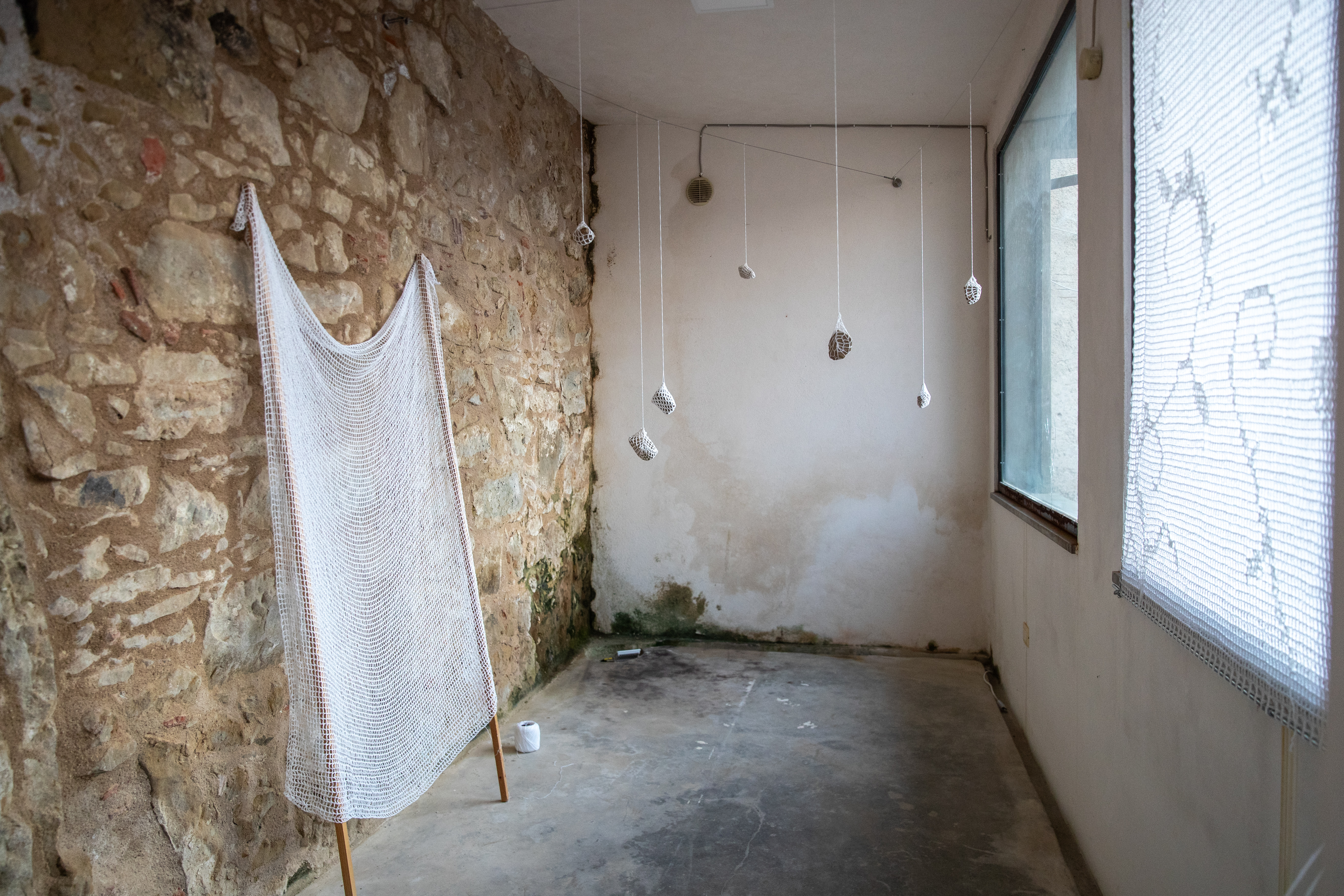
Alessia Talò, Soft Points and Stone Roads
In Sicily, the margin is not a limit but a point of departure: the place from which to rethink culture as a shared and transformative practice. SITU Festival is its moving laboratory—a device that unites, listens, and restores meaning to the territories it traverses.
¹ Miwon Kwon, One Place After Another: Site-Specific Art and Locational Identity, The MIT Press, Cambridge (MA) – London.
 artCollective Magazine