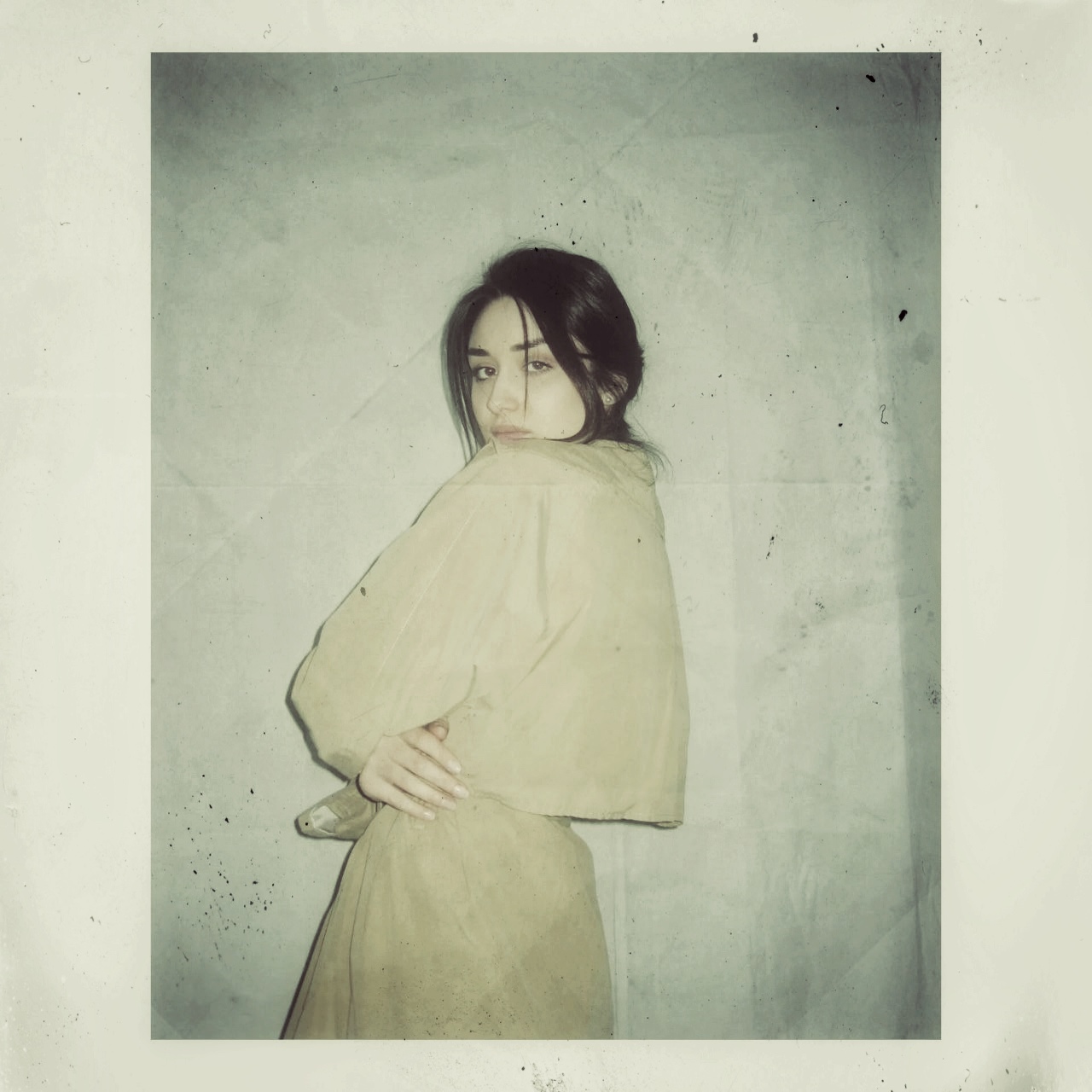
Valeria Meizles is an artist, who works under the pseudonym Propaganda, with a deep interest in collage.
She is currently working on a book that explores the medium as both an artistic and conceptual practice, tracing its relationship to memory and nostalgia.
In this interview, she talks about her interest in collage her inspiratios and the upcoming book.
– What draws you to collage as a medium?
For me, collage is a way of thinking. It brings together what doesn’t belong together, much like life itself. I’m drawn to the idea of assembling fragments into something whole but not obvious — a meaning that appears in the pauses, in the quiet space between the pieces. I don’t see collage as a technique, but as a way of seeing — recognizing connections between images, objects, and time. It allows me to work not just with surface, but with memory, both personal and collective.
– What inspires your work and creative direction?
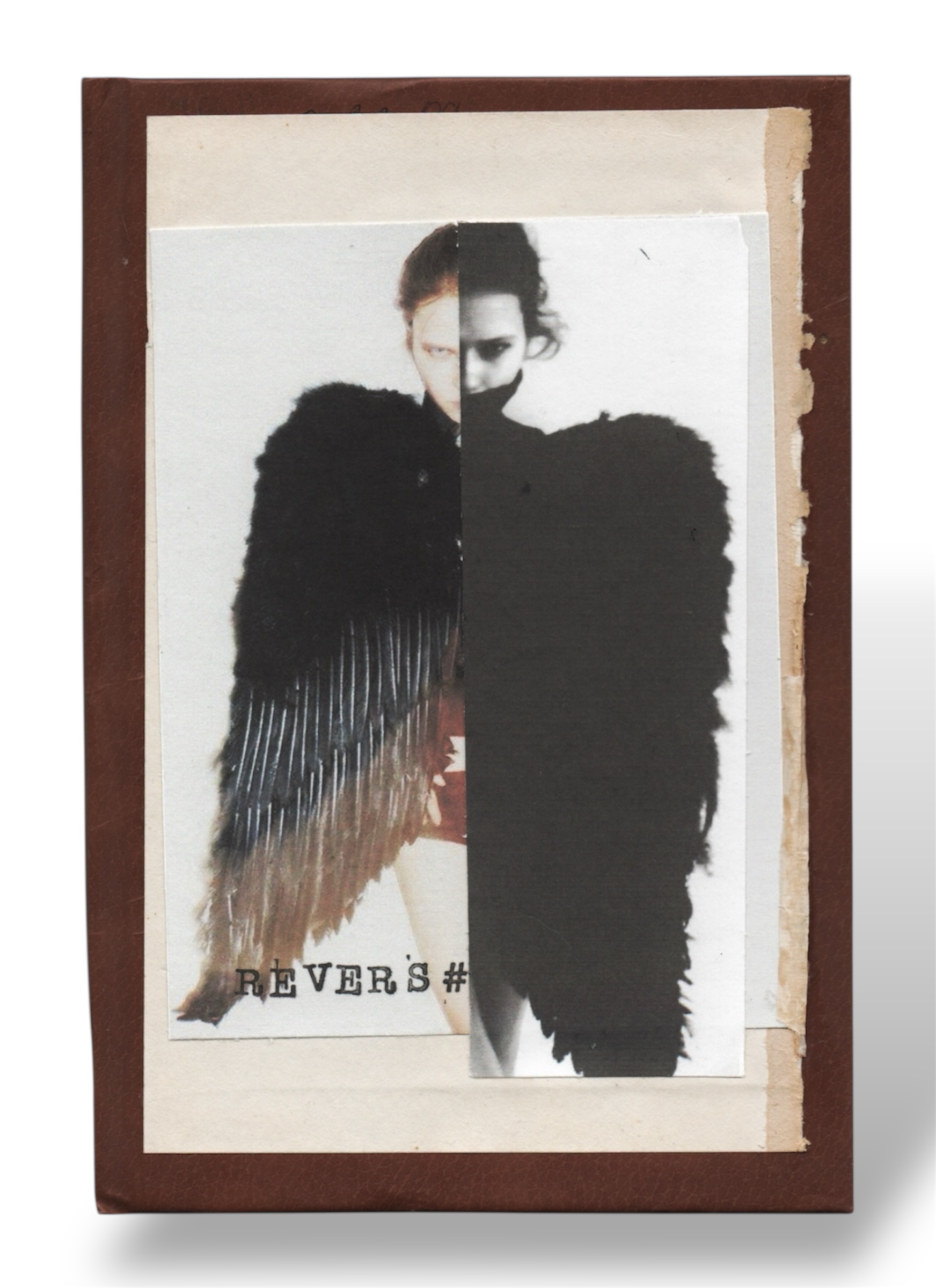
I’m inspired by everything that carries a trace — an object, a texture, a symbol, or a person. Anything that holds time within itself becomes a source of form for me. I often think about how we inherit not only culture but also emotion. I’m fascinated by this continuity, how gestures and visual codes from the past continue to exist within the present, changing form but keeping resonance. Inspiration comes from observing this constant movement and the subtle relationships between the visible and the remembered.
– What influences your art themes?
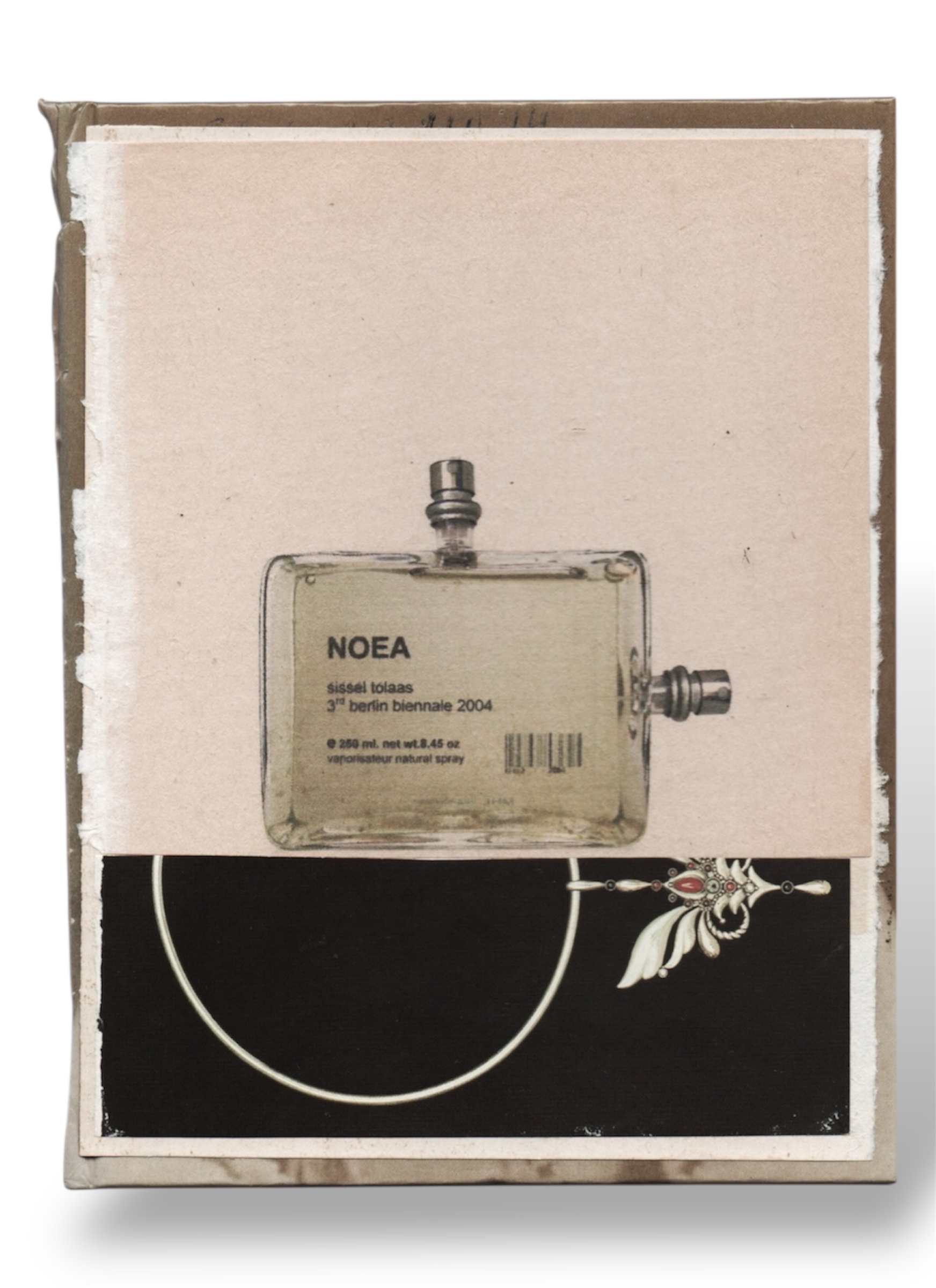
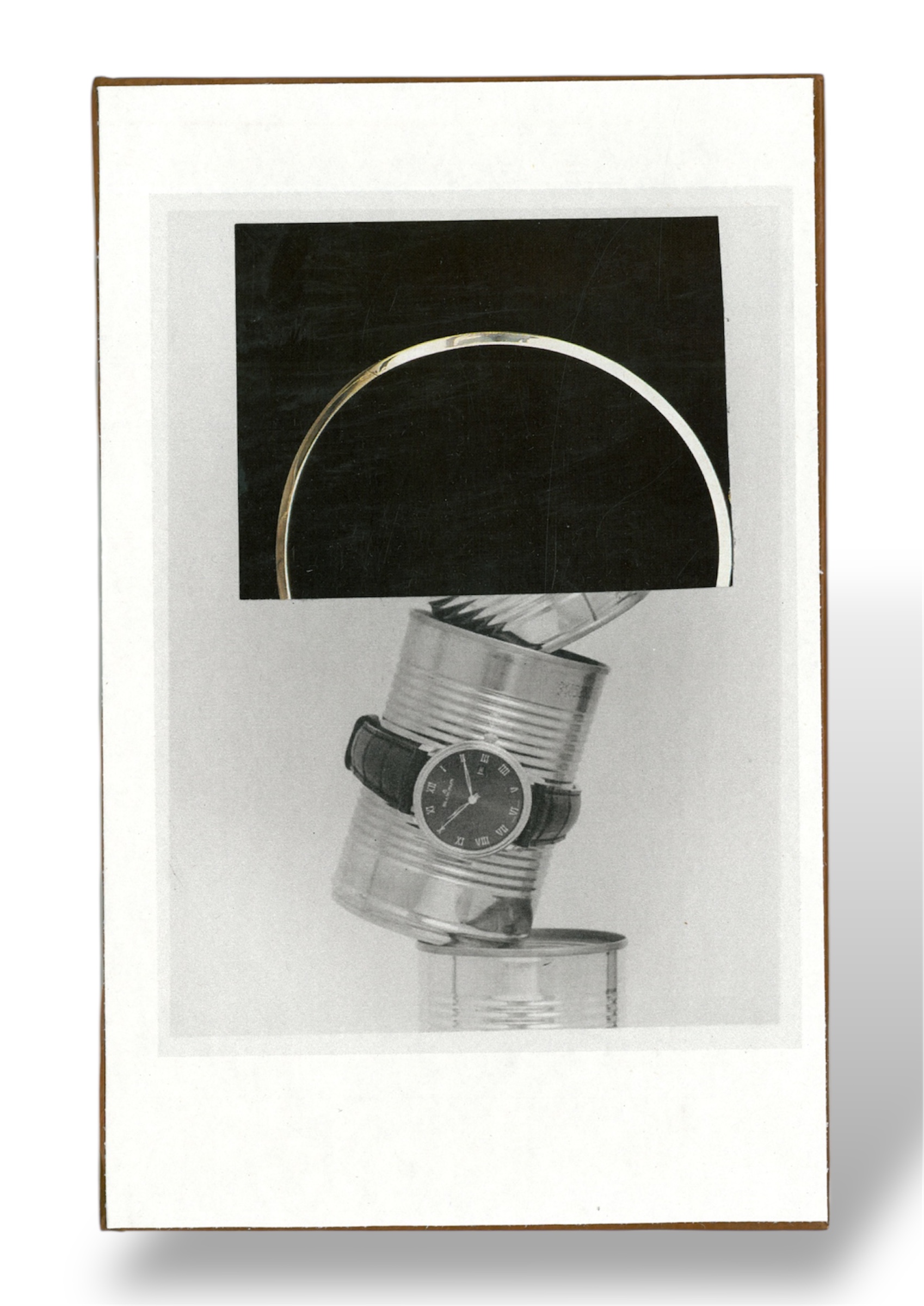
Themes appear naturally, as part of the process. I don’t search for them — they reveal themselves when fragments begin to interact. Sometimes it’s about memory, sometimes about physicality, sometimes about how space shapes perception. I’m drawn to what exists in between — between image and emptiness, between a person and what remains of them. Collage is a way for me to capture that fragile, transitional state.
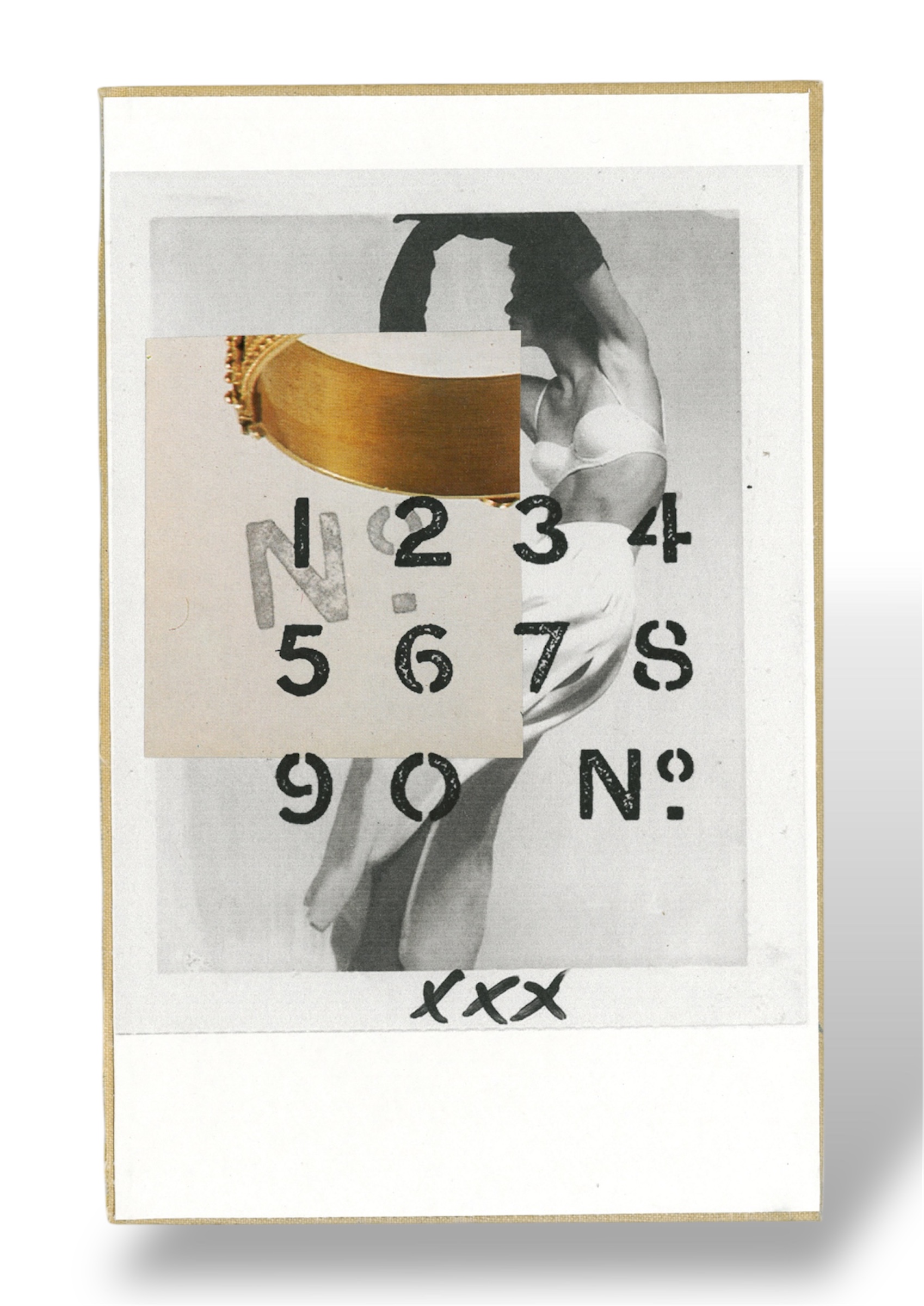
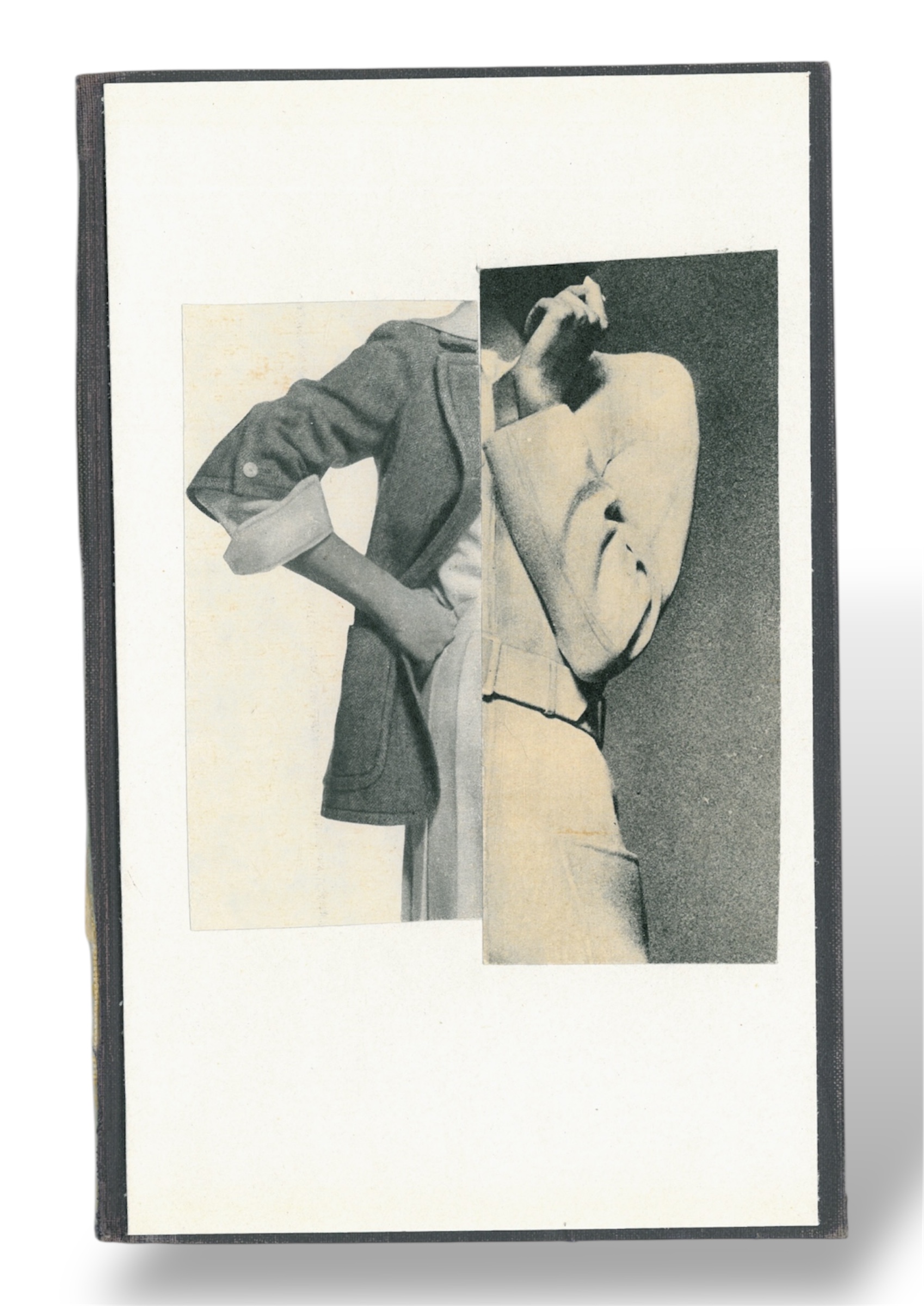
– Can you describe your workflow or process when developing a new piece?
Everything begins with selecting fragments. I treat them as living elements — each has its own energy, rhythm, and tension. When I feel a connection between them, the work begins to take shape. I never plan the composition in advance; it forms organically. Sometimes it happens instantly, sometimes through breaking and rearranging. What matters to me is that the work keeps its sense of breath, leaving space for silence and chance.
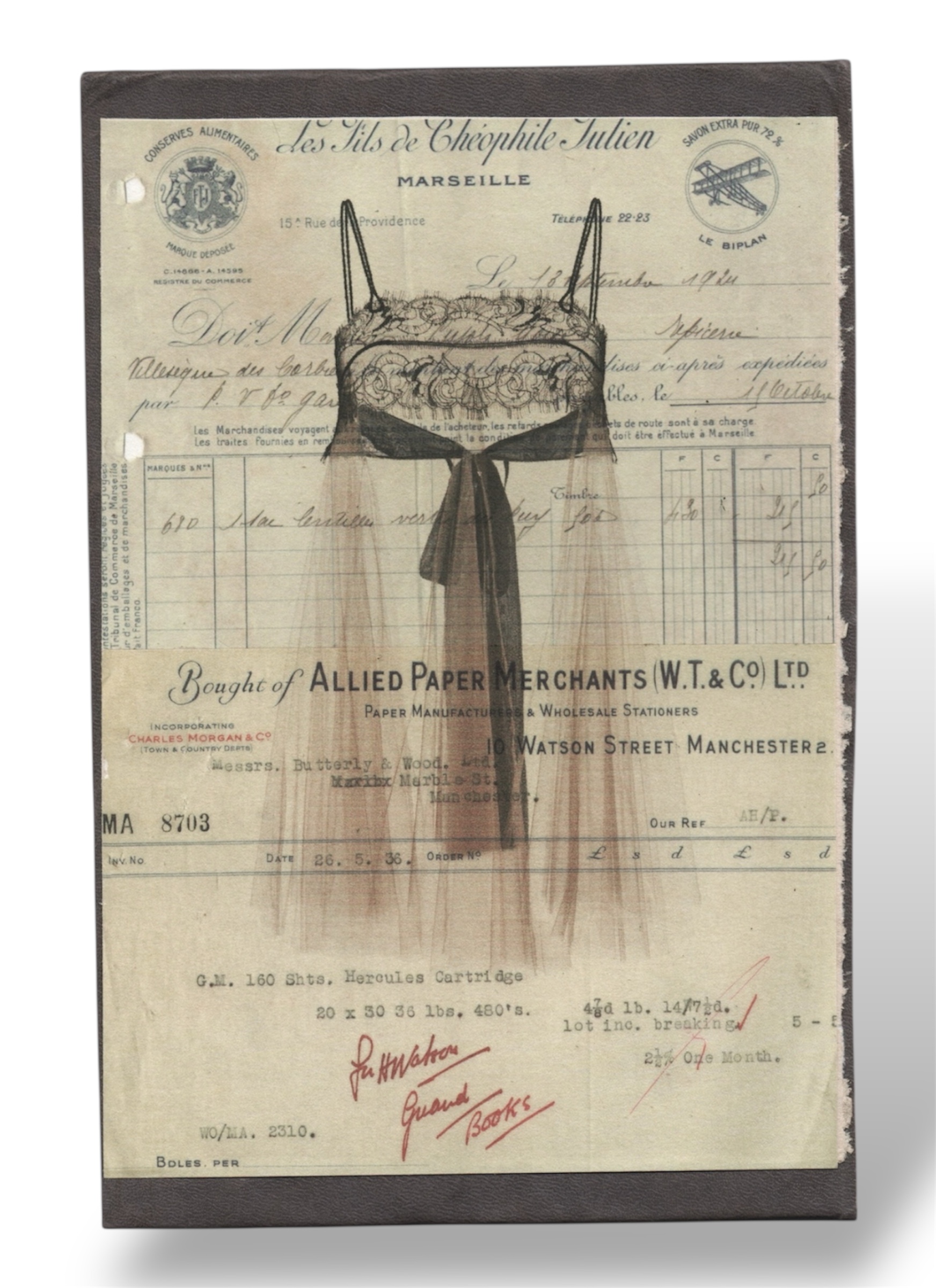
– How has your research for the book influenced or evolved your artistic practice?
Working on the book helped me understand the idea of connection more deeply — not only in collage but in thought itself. I explored philosophy, perception, and how the mind collects fragments of experience into something whole. Now I see my works as forms of research. Collage has become a way of thinking — through image, through material, through memory. It’s not just a visual language, but a method of observation and reflection.
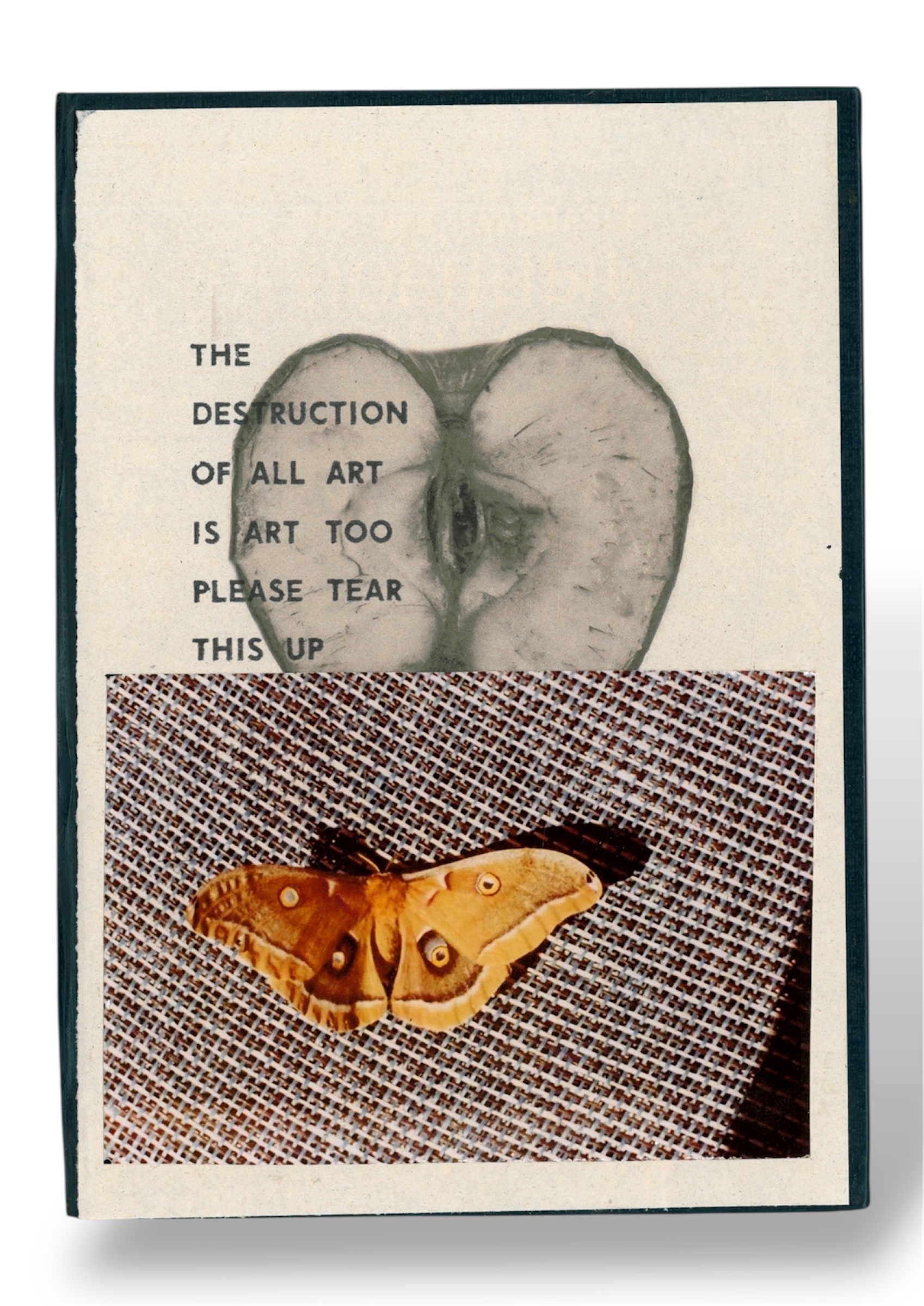
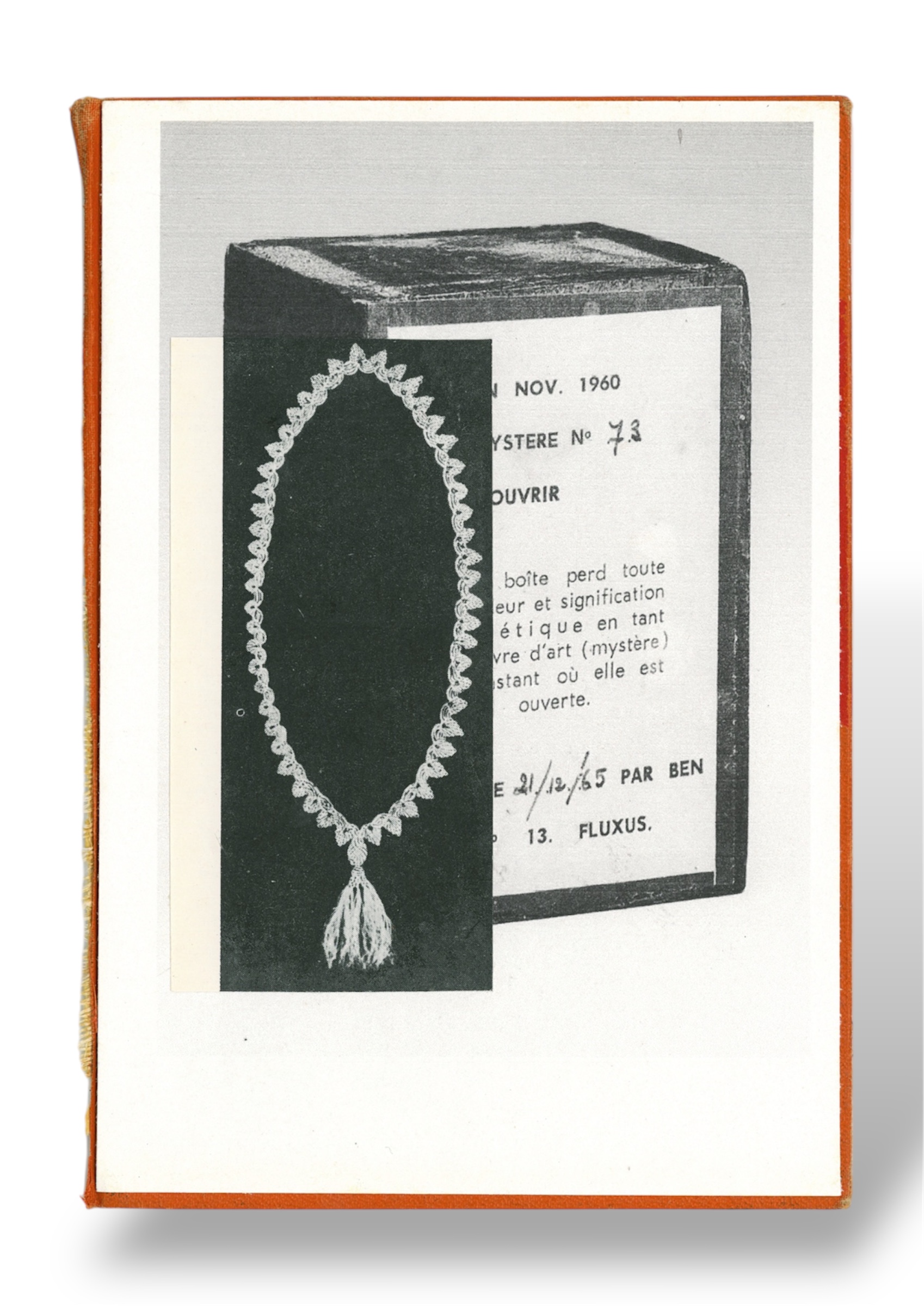
– How do you approach the materials and textures you use — are they chosen for their aesthetic, symbolic, or emotional qualities?
I choose materials by their presence. Sometimes it’s paper that still carries the breath of the past; sometimes it’s a surface that holds my gaze. It’s important that the material is not just background, but a part of the statement itself. A trace, a mark, a flaw — they all become a kind of language. I don’t use materials as tools; I let them speak as collaborators.


Keep up with Valeria’s work by visiting and following her Instagram page.
 artCollective Magazine