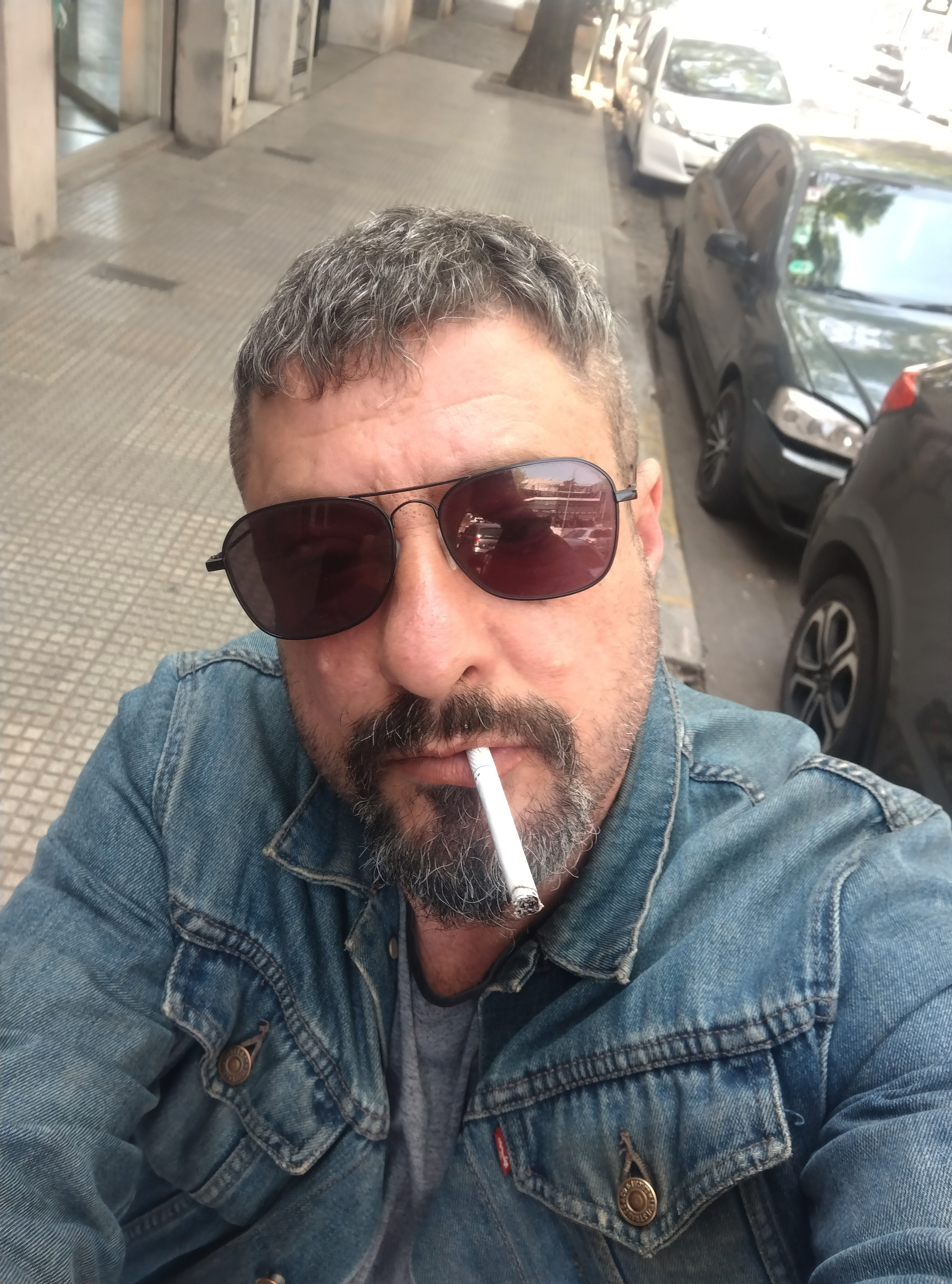
Based in Buenos Aires, Andrés Gleizer has spent more than two decades exploring the emotional and expressive possibilities of digital painting.
A graduate of the Université Paris I – Panthéon-Sorbonne, with additional studies in film and communication sciences in Argentina, he brings a cross-disciplinary sensitivity to his work.
His approach – what he describes as a kind of digital expressionism – combines intuition, gesture, and chance to create images that feel both spontaneous and meticulously composed.
After years working between Argentina and France as an art director and illustrator, he continues to push the boundaries of digital media, using the screen as a space for experimentation, emotion, and painterly depth.
This is an insighful interview with an artist who loves to explore, create, and naturally evolve.
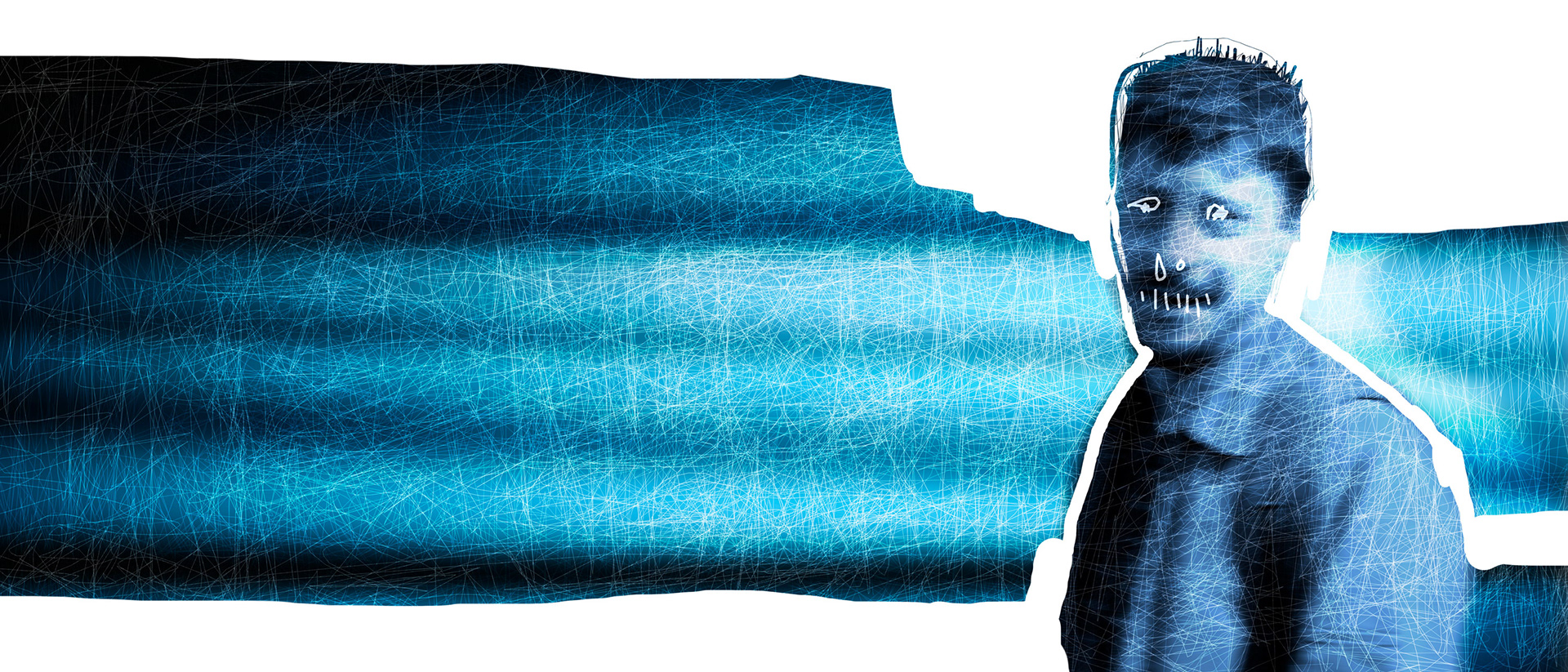
– You’ve lived and worked between Argentina and France for many years. How have these different cultural contexts shaped or influenced your artistic vision?
My eyes were built in Buenos Aires – an intense, powerful city with a rich cultural tradition, but at that time quite isolated from the rest of the world.
A very particular geographic situation: the south of the South. Yet that distance has always fueled a curiosity about what was happening elsewhere.
My years in France brought me, among other things, the experience of difference and an awareness of my own identity. The expansion came more from the convergence of new smells, flavors, customs, streets, and ways of being than from any purely artistic stimulus.
And the language!
Learning a new one from scratch as an adult is a great lesson in humility —and it turns you into another person.
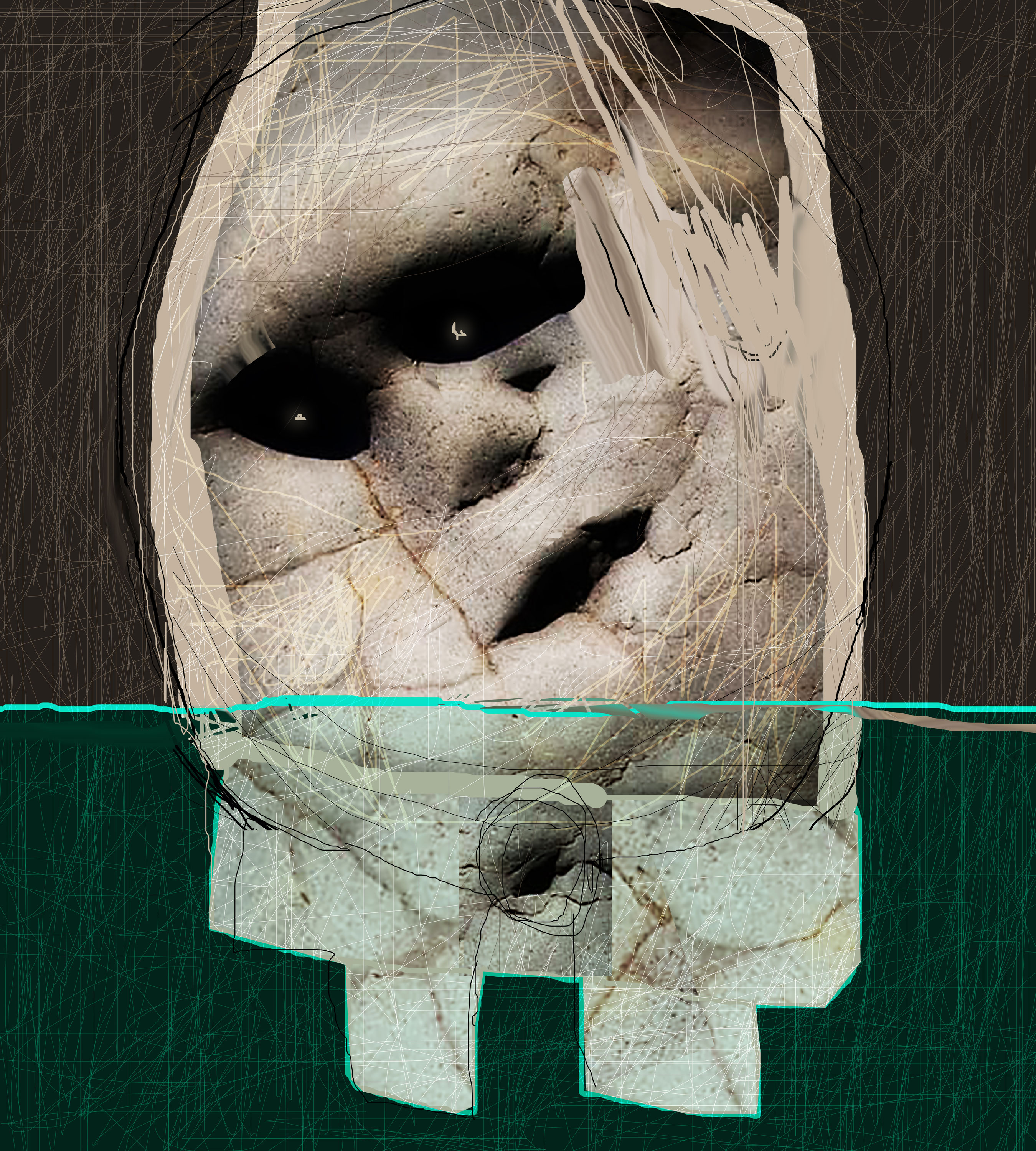
– You describe your work as a form of digital expressionism. How do you see digital tools reshaping the language of expressionism, a movement so deeply rooted in traditional painting?
I see expressionism more as an attitude than as a language or a movement. I naturally distrust any artistic expression that starts with a plan, an idea, or a preconceived message to deliver. In short, anything that places excessive value on discourse over expression through other means.
In that sense, digital tools are simply other tools. They allow me to build upon accident in the same way I used to with tangible materials (though, of course, the digital has its own specificity).
For me, accident is at the center of everything.
– Having worked with digital painting for over two decades, do you see yourself moving toward other media in the future — perhaps to traditional painting?
I actually come from traditional painting! I practiced it for many years.
The main reason I moved to digital was purely material —spatial, to be exact: I lost the space where I used to paint. I couldn’t afford another studio, but I had a computer. So I used the computer.
Of course, nothing is fixed and everything is possible: analog, digital, or any other kind of tool that happens to cross my path.
– Could you walk us through your creative process — what inspires you, and how do you capture and develop ideas from initial concept to finished work?
As I suggested earlier, my process is completely inverted. I never start from an idea or a concept.
Of course, there can sometimes be triggers —a color, a fragment of a photo, a smell.
But essentially, my process is about creating the natural conditions for accident to occur.
Then there’s a more rational, contemplative moment of working with that accident: isolating it, expanding it, helping it. And when everything looks right… breaking it all again, so another accident can happen.
This two-phase dynamic repeats itself several times until I feel the process is complete —that the dish is cooked and there’s nothing left to add.
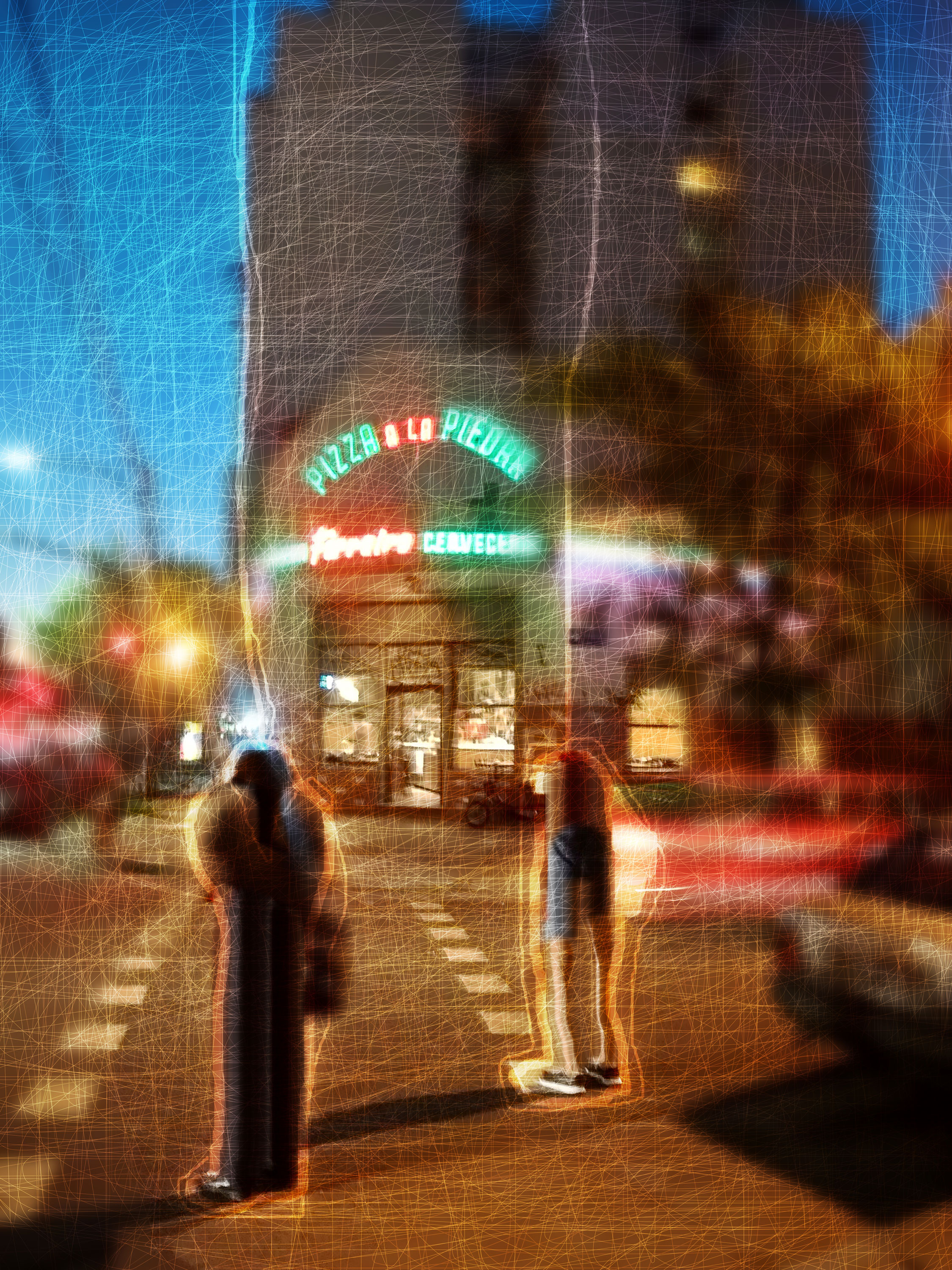
“As I suggested earlier, my process is completely inverted. I never start from an idea or a concept.”
– Which artists, not exclusive to your own field, have been your major influences?
I studied film when I was very young and felt obliged to be a cinephile, to give importance to what the Academy considered important.
When a few years later I began to paint, I decided to turn a deaf ear to that demand and see things with my own eyes.
Still, in painting I must mention Cy Twombly and Jean-Michel Basquiat.
And beyond that, in no particular order: Cormac McCarthy, Horacio Quiroga, Alfred Hitchcock, Michel Houellebecq, Bizarrap, Stephen King, Richard Price, Joe Sacco, Eric B. & Rakim, Dr. Dre, Héctor Germán Oesterheld, Tom Wolfe… the list is almost endless.
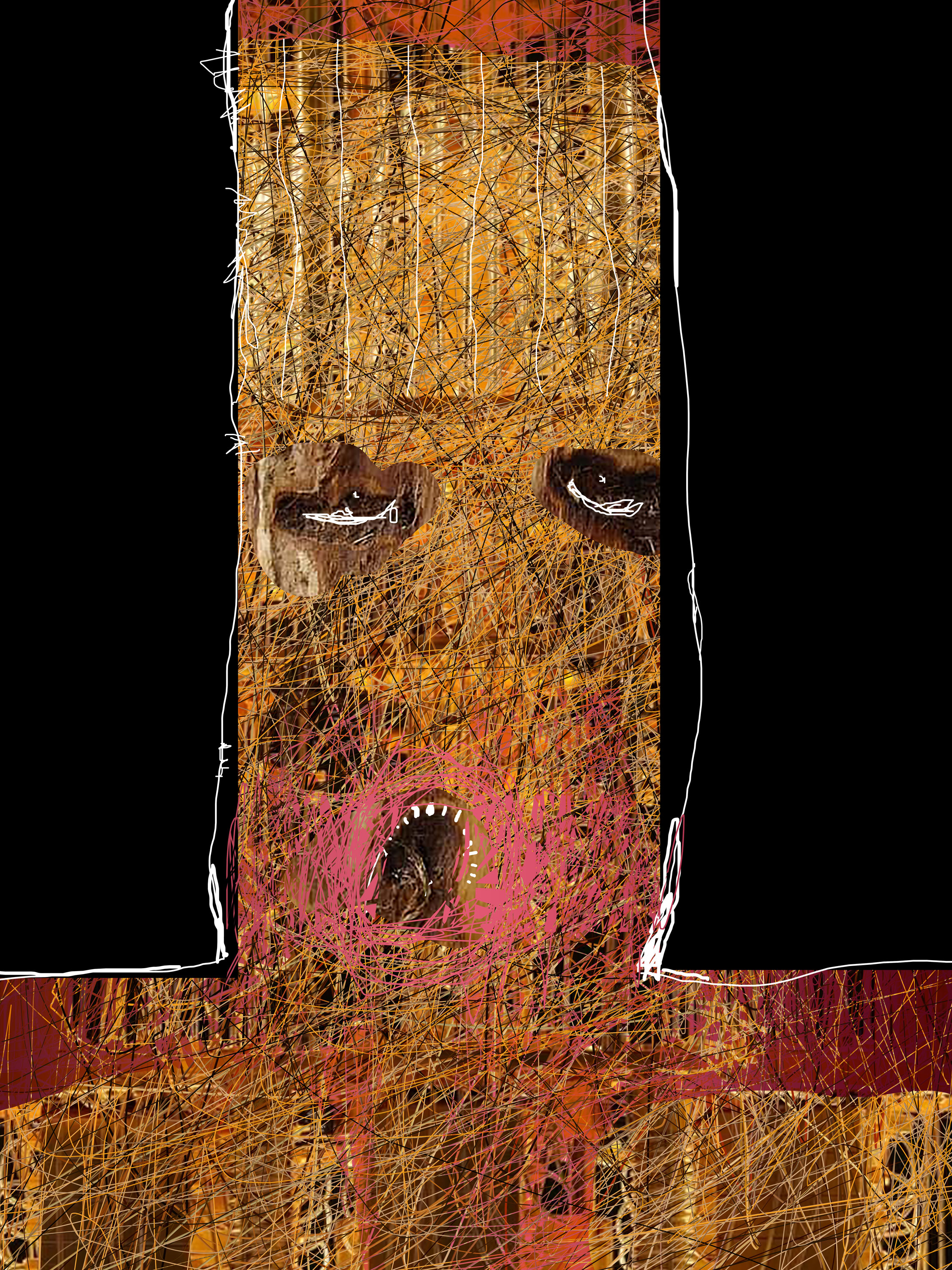
– The human figure appears frequently in your work, often in surreal and dreamlike ways. What do you seek to explore or reveal through this approach?
Those beings with a human appearance show up by their own will.
I don’t know where they come from or where they’re going. We just cross paths for an instant in our brief existence.
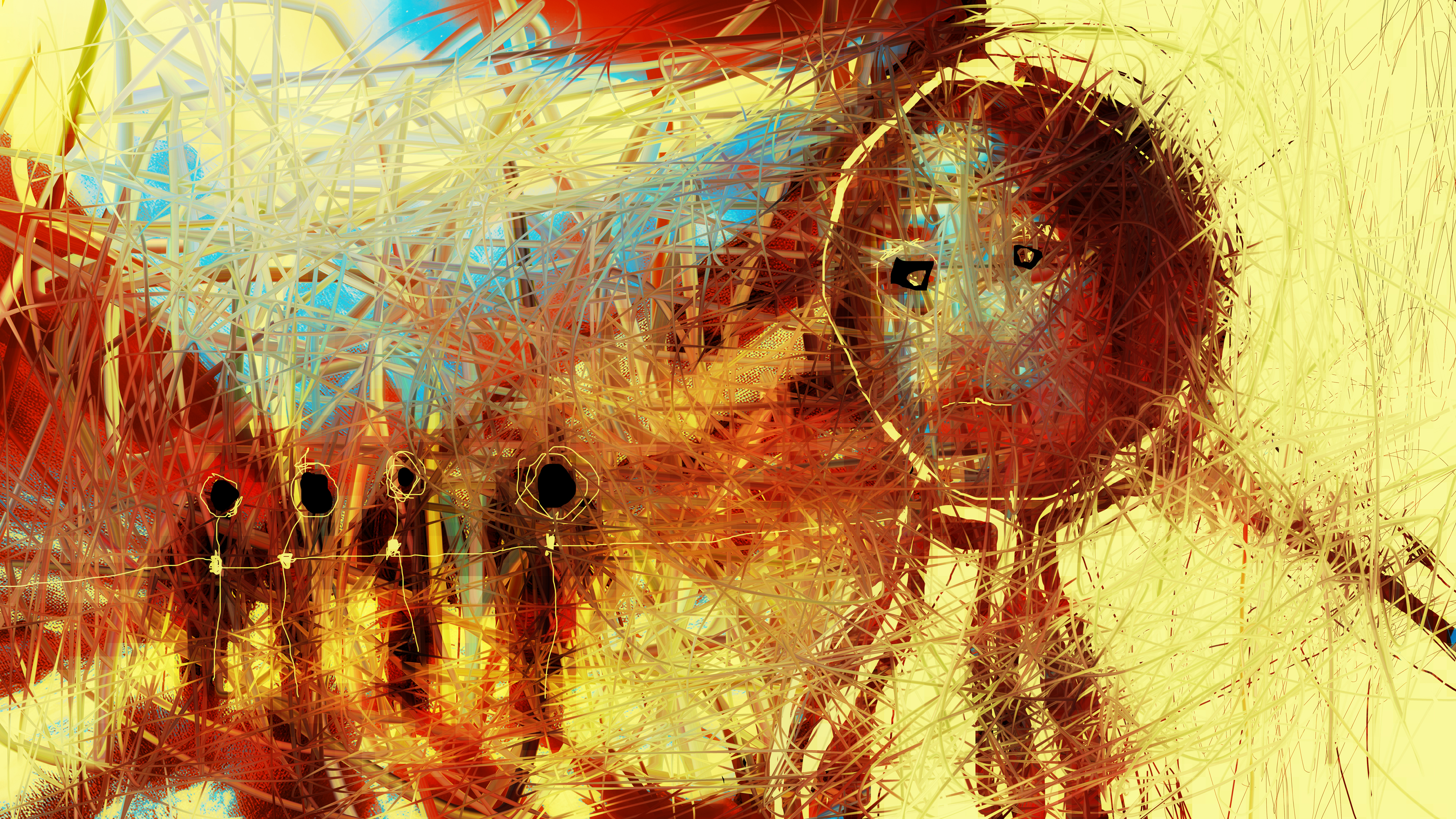
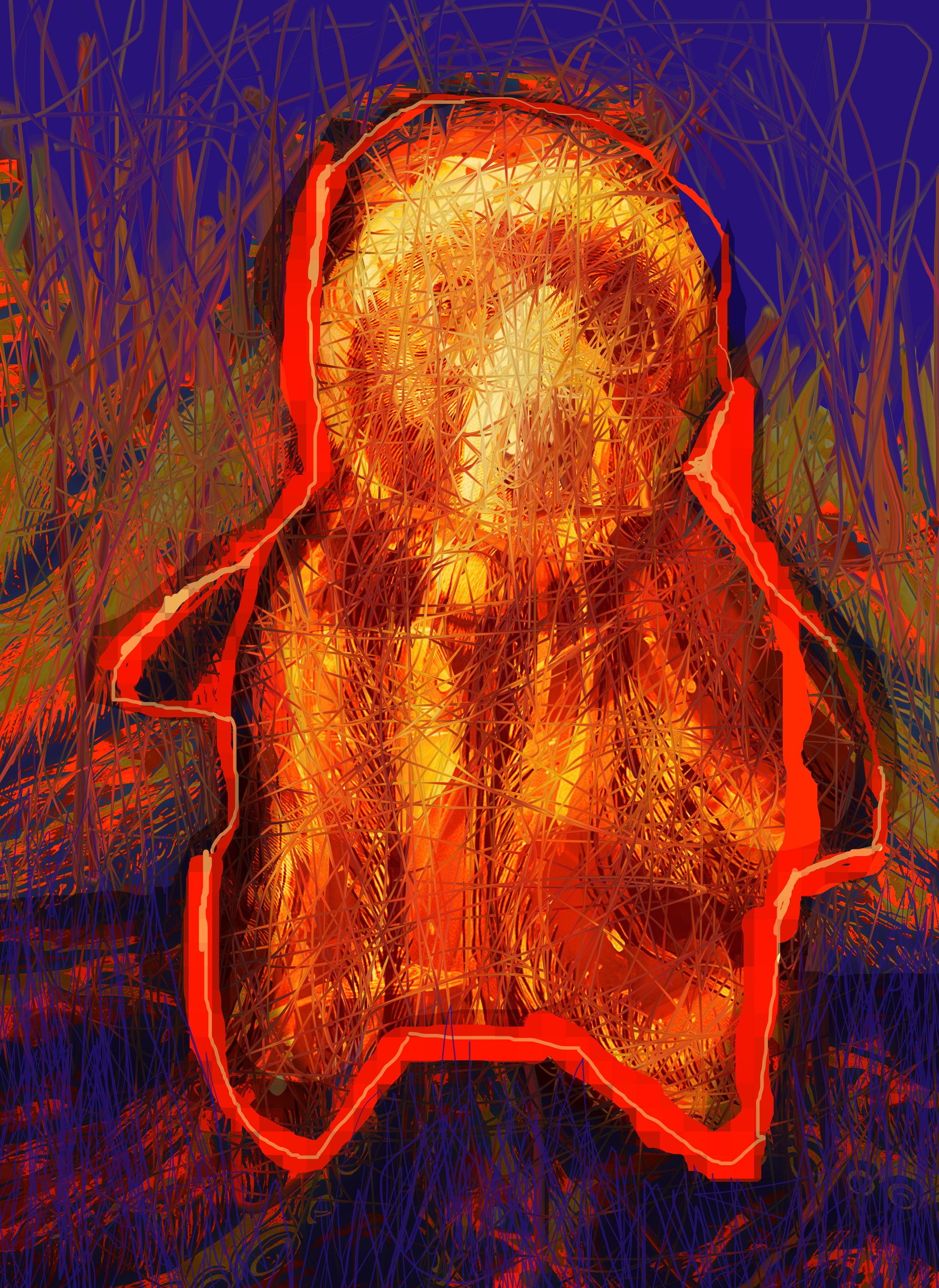
– Do you see your practice as part of the surrealist tradition, or do you consider surreal elements more as a tool within your broader artistic language?
Not really. I’ve never felt close to surrealism as a movement. I believe it represented, at the time, a step backward in painting – a submission to discourse, and a reliance on pictorial resources that were already academic and regressive.
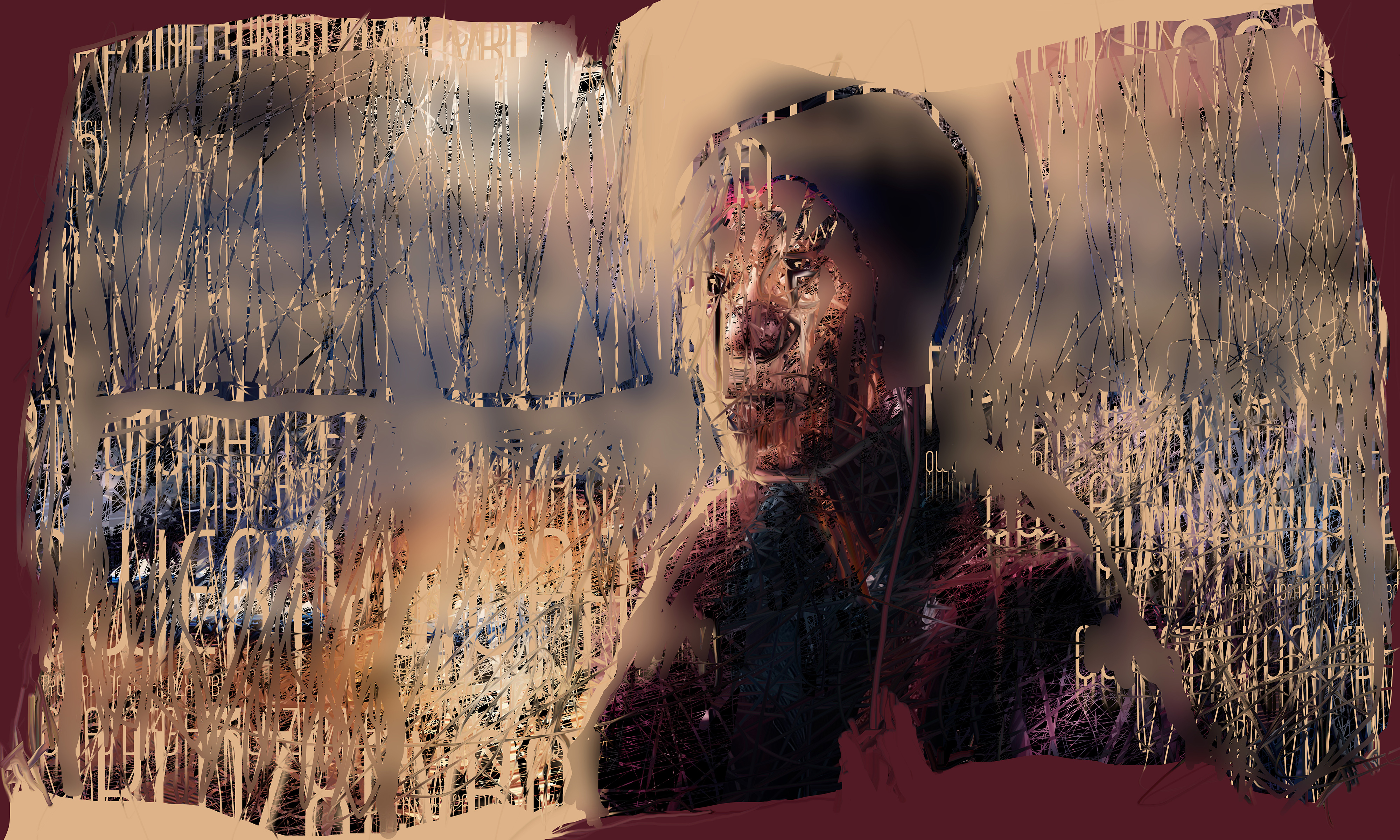
– Many of your works feel like a bridge between reality and imagination. Do you think of surrealism in your art as a way of exposing hidden truths about the human experience, or more as an act of escape and transformation?
I don’t think there’s a bridge, because I don’t see a clear boundary between reality and imagination.
If there are hidden truths, escapes, or transformations revealed in my images, they’re revelations to me just as much as they are to any other viewer.
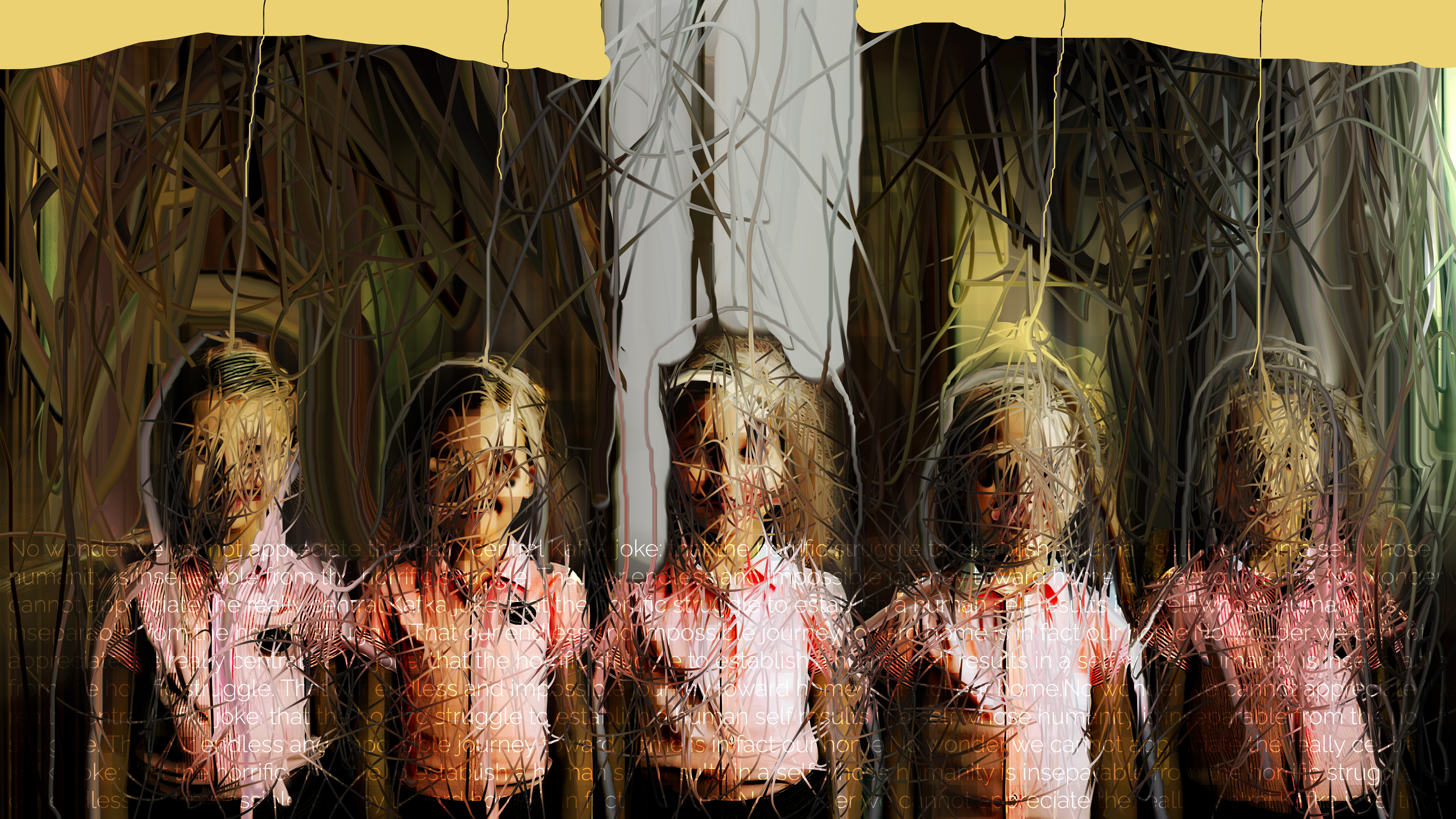
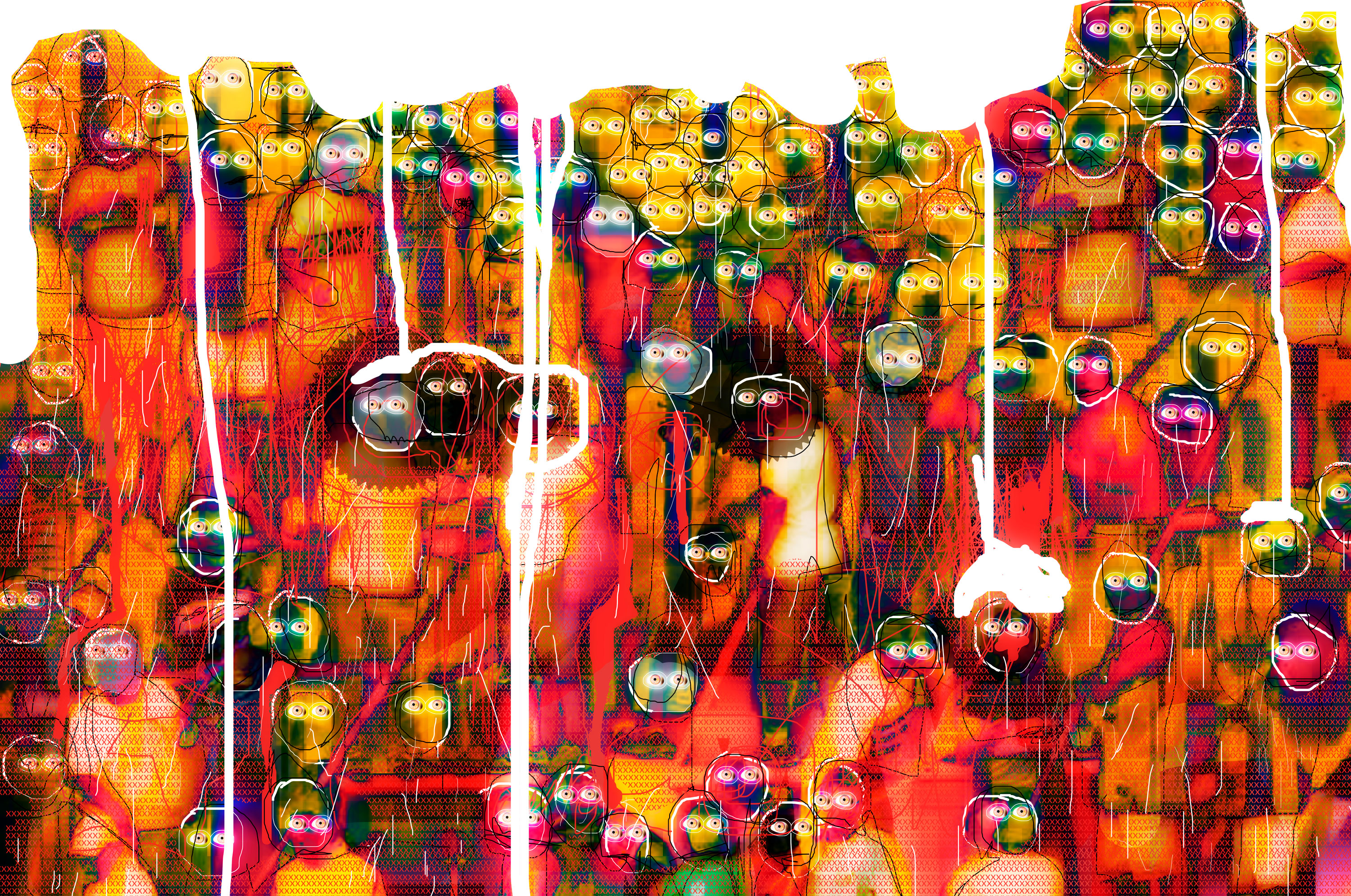
“I don’t see a clear boundary between reality and imagination.”
– How do audiences tend to respond to your work? Are there reactions that have particularly surprised or resonated with you?
In general, the responses I receive don’t refer to beauty, but to impact – to something that moves or unsettles.
And that satisfies me deeply.
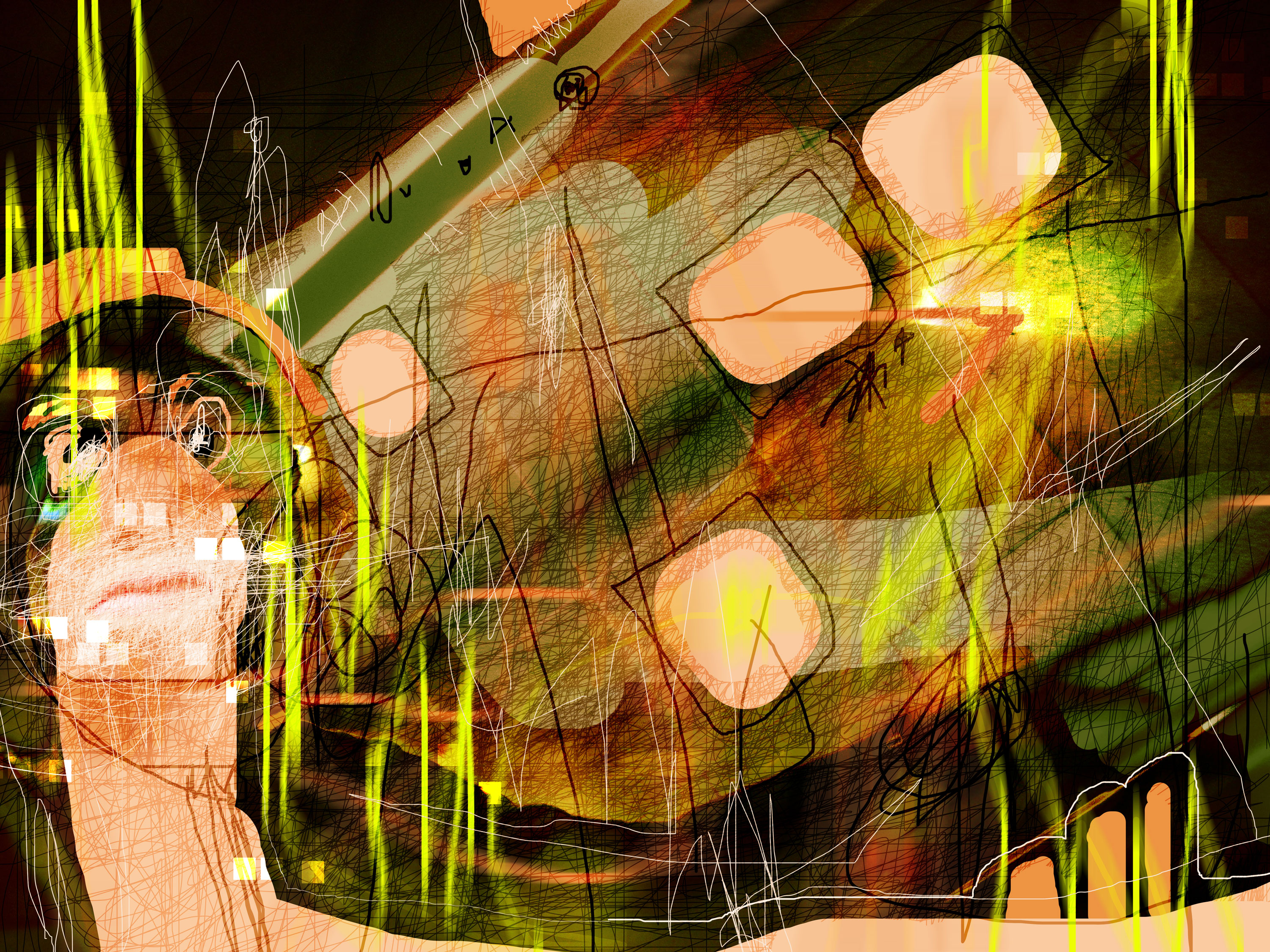
– Finally, what are your upcoming projects and future plans as an artist?
My plan is simply to keep producing – to stay open to new tools and to the natural evolution of what I do.
And to try to bring my work to as many people as possible.
 artCollective Magazine