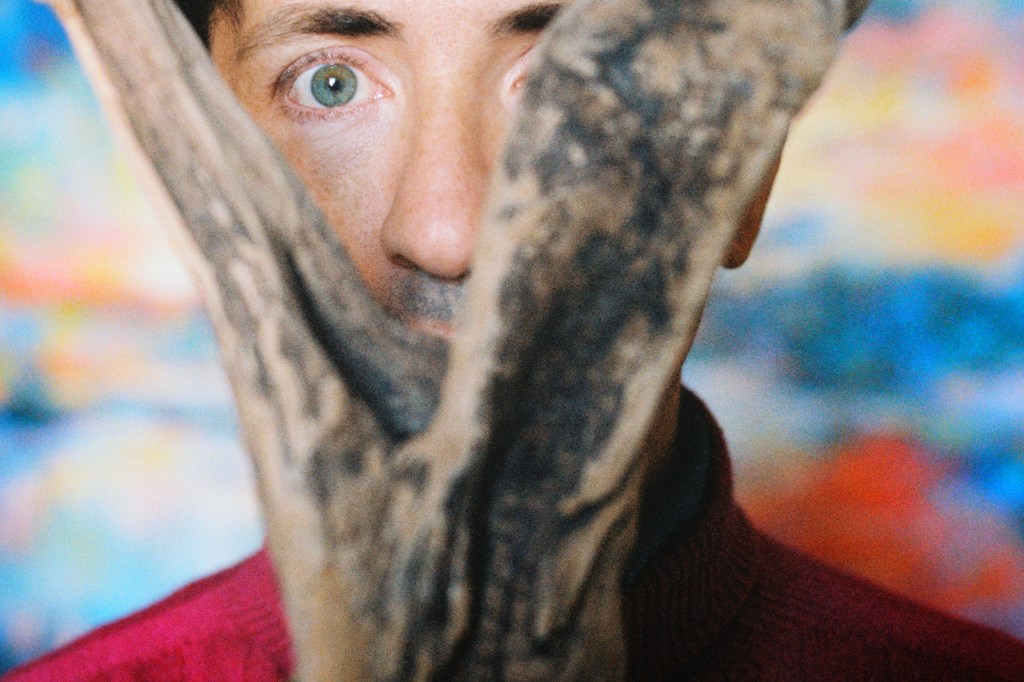
“The Taboo of Love” is a protographic journey by Italian artist Alessia Spina that explores the representations and attitudes towards romantic relationships through a narrative that touches on the most intimate and complex aspects of the human experience.
The project involved 50 participants and with the production of texts, drawings, and analog photographs (using 35 mm film), attempts to produce meanings and images that give shape to fears and hopes.

“The Taboo of Love” photographic project is a three year work with the collaboration artist Gio Blonde, which is featured in artCollective Magazine in the past. It is accompanied by a book as well which the description and also the video trailer can be reviewed in this link: https://crowdbooks.com/it/tabu-amore/
Has love become a taboo? Does the taboo of sex still exist?
What lies behind the contemporary difficulty of experiencing emotions and affection?

Here is what the artist, Alessia Spina, contemplates in her statement:
Taboo: In psychoanalysis, the term indicates any forbidden act, untouchable object, thought not admissible to consciousness, tendency to avoid certain words or expressions for reasons of decency, religious or moral respect, or social convenience.
The shared experience, the conversations on relational topics, and the studies conducted in the psychosocial field have stimulated our curiosity and generated a question.
We wondered whether, behind the contemporary difficulty of experiencing emotions and affections, there is an undeclared taboo.


The taboo of sex is a well-known expression, a cultural prohibition, sometimes religious, a social fact in every respect, probably more related to the past than the present.
The taboo of love, on the other hand, does it exist? And today, does the taboo of sex still exist, or has it been replaced by a sexual libertinism that takes the place of the belief in a committed love relationship?
There is no talk of a taboo of love, it is an implicit expression, not used… but if this combination of words is made explicit, it introduces a rich space for reflection on modernity.
The taboo of love is a psychosocial exploration that investigates representations and attitudes
towards love relationships through a narrative that touches on the most intimate and complex aspects of the human experience.

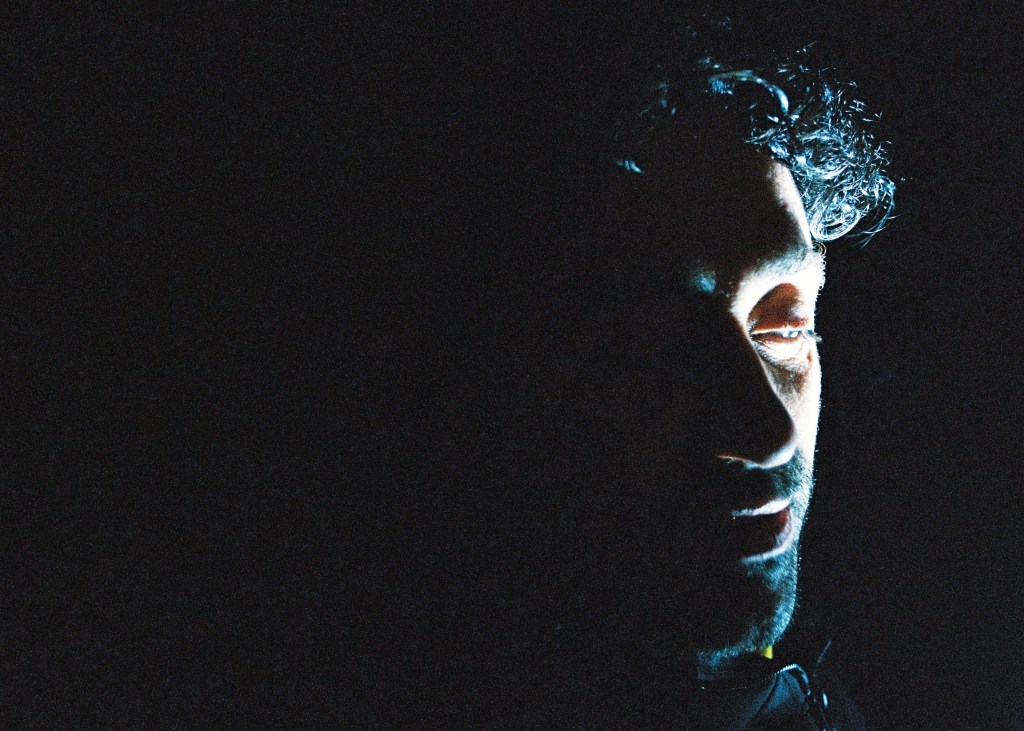
So, we asked you. The meeting with the participants, selected through word of mouth, took place in various areas of Italy and some European countries.
For the research, we chose our favorite tool: the analog camera, equipped with 35 mm film.
Through a semi-structured interview, we invited the participants to share their point of view, with a gradual transition from the external and more social world to the internal, more personal one, taking photographs that represented the contents and emotional states that emerged.
Each interviewee was also invited to make two graphic representations, guided and free, for an evaluation of the images associated with the feeling of love.
Finally, some participants produced images with disposable analog cameras asynchronously, once they returned home, following some instructions provided for additional “cold” reflections.
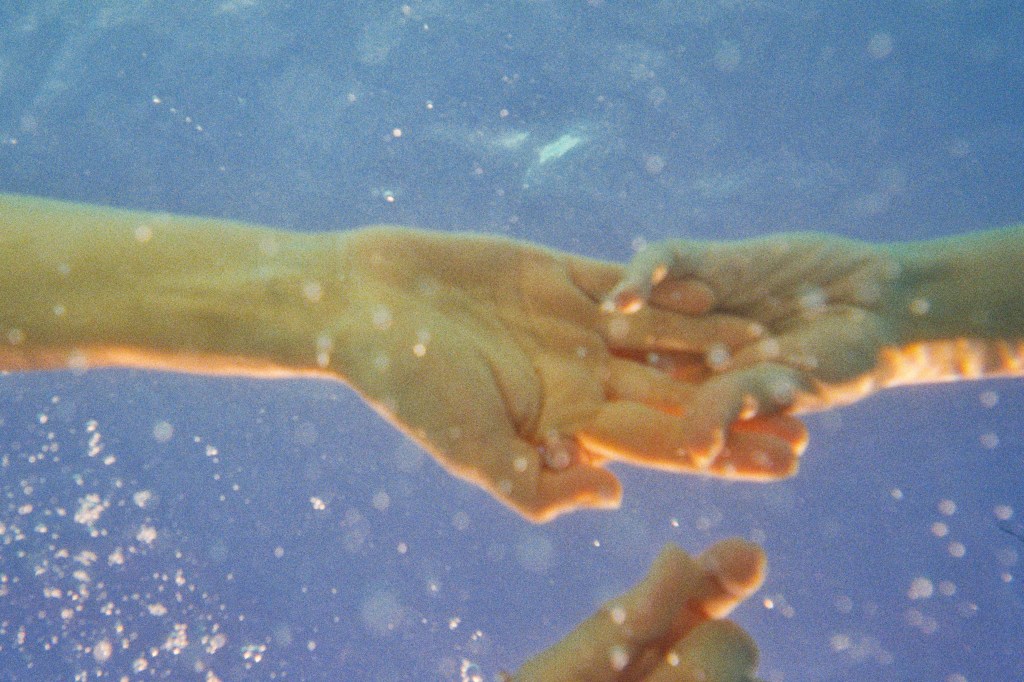
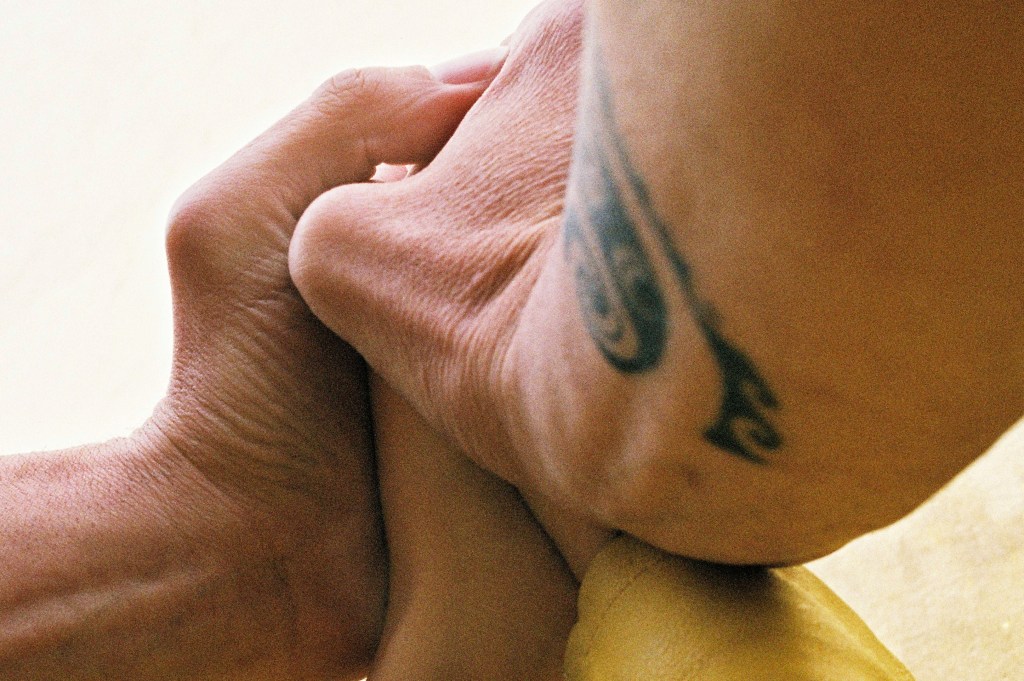


Why do we believe in the power of the photographic tool?
The metaphorical and symbolic (non-verbal) language we use through the photographs we take allows us to get in touch with our emotions, a step that is not mediated by verbal translation which always provides, on the other hand, good hiding places in favor of cognitive defenses, such as rationalizations, denials, and justifications.
Photography can be a powerful tool for people who are not able to experience or express emotions and affections openly, as it allows for the merging of the verbal dimension with the visual and, therefore, emotional one. “Seeing” is often used as a synonym for “understanding.” A necessary connection to weave the thread of the testimony of our history and its relative importance.
The love relationship, is it a bond or freedom? “I love you,” can you say it? If you had to draw love, what would it look like? These are some of the questions posed.
At the end of the work, which follows the structure of a scientific article in the sections of
introduction, method, results, discussion, and conclusion, the final considerations are presented.


The taboo of love is defined, for the most part, according to a personal dimension characterized by the fear of expressing, communicating feelings, or even experiencing feelings to avoid suffering, disappointing, being in a position of need towards the other, and not being oneself. Definitions related to the social dimension are more correlated with the idea of limitation, censorship, and repression of feelings, due to implicit rules learned from family and social contexts.
We often tend to rationalize experiences through cognition, silencing emotions and distancing the feelings that are, instead, the basis of human action.
We are torn between the desire and fear of the bond.


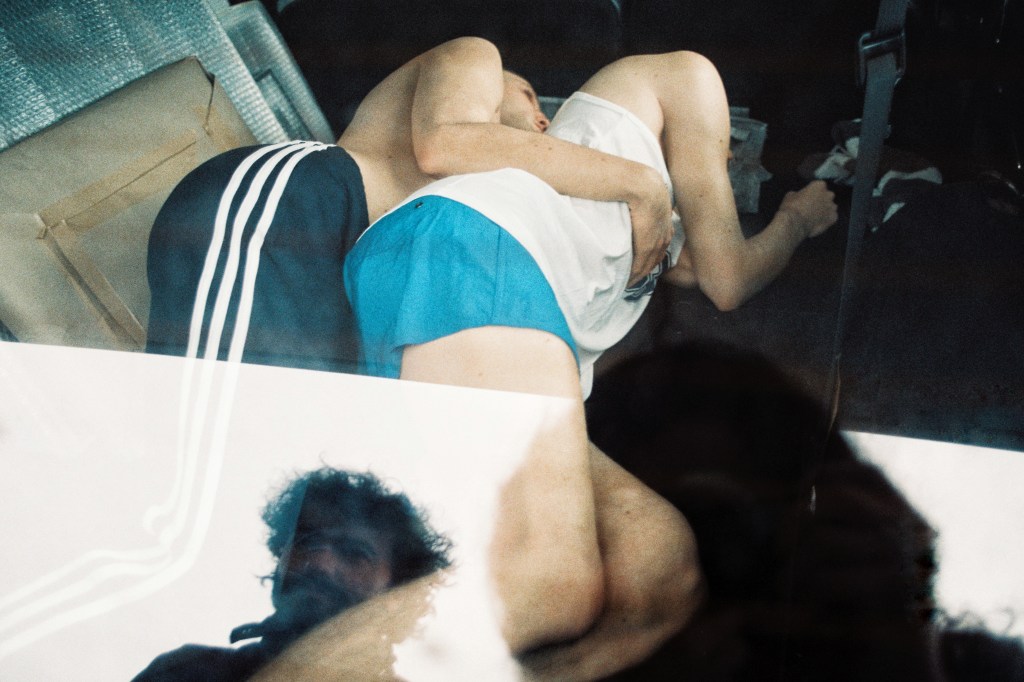
And yet, relationships constitute our lives, as the text of an interview states: “Love is everything. It is, in its irrationality, the only rational thing that exists. Human beings are naturally inclined towards love. We choose professions, passions, various activities… but if the spark does not strike, we lose the rational.”
So, shall we talk about it, then?
We are relational beings.
 artCollective Magazine